Protect your apple trees from common pests with effective, pesticide-free bug traps. This guide highlights reliable options to reduce maggots, fruit flies, and bark-boring moths while keeping your orchard safe for family and pets. Each product is evaluated for ease of use, lasting performance, and suitability for home or small farm settings.
The following summary table provides a quick overview of the chosen products, including target pests, package sizes, and notable features. Use this as a quick reference when comparing options.
| Product | Brand | Target Pests | Package Size | Key Feature |
|---|---|---|---|---|
| Bug Ball 12 Pack Apple Maggot Trap Starter Kit | Bug Ball | Apple maggots | 12 traps | Includes brush-on sticky coating |
| Bug Ball 25 Pack Apple Maggot Trap Starter Kit | Bug Ball | Apple maggots | 25 traps | Includes sticky coating; more traps per tree |
| Disposable Apple Maggot Trap Kit | Olson Products | Apple maggots | 25 traps + 25 hangers | Cost-effective; no messy cleanup |
| Catchmaster Tree Banding Insect Barrier Kit | Catchmaster | Lanternflies, cankerworms, moths, etc. | Pail with supplies | Long-lasting adhesive and wrap |
| VivaTrap VT-105 Peach Tree Borer Trap | VivaGrow | Peach tree borers, clearwings | 2 pack | Specific pheromone lure; long-lasting |
Bug Ball 12 Pack Apple Maggot Trap Starter Kit
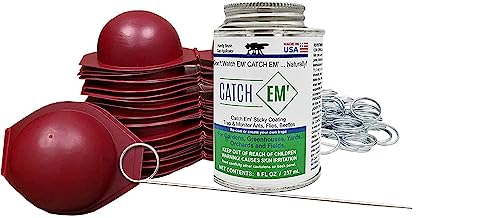
The Bug Ball 12 Pack Apple Maggot Trap Starter Kit offers a ready-to-use solution for residential orchards. Each kit includes twelve apple maggot traps, twelve wire hangers, and two 8-ounce cans of Catch ‘EM coating with built-in brush applicators. The coated traps are designed to reduce maggot damage by attracting and trapping flies before they infest fruit. For best results, place at least six traps per tree before petal fall on both apple and cherry trees. The non-pesticide approach minimizes chemical exposure and supports a cleaner harvest.
Key considerations include distribution strategy, trap placement timing, and the effectiveness of the sticky coating. Users should monitor traps and replace coatings as needed to maintain stickiness. This kit is well-suited for homeowners seeking a straightforward, ready-made solution that integrates with standard tree care routines.
Bug Ball 25 Pack Apple Maggot Trap Starter Kit
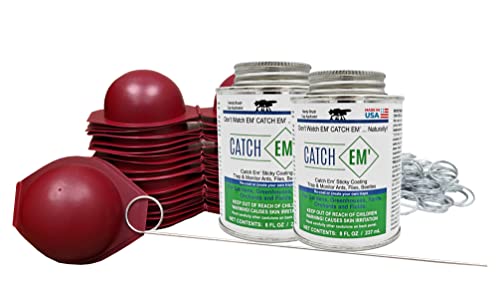
The 25-pack version scales up the same foundational concept with more traps, hangers, and adhesive-coated traps. This package includes twenty-five traps, twenty-five hangers, and two 8-ounce cans of Catch EM sticky coating. It is designed for larger home orchards or for gardeners who prefer fewer maintenance intervals. As with the smaller kit, the approach is non-toxic and focuses on reducing maggot-inflicted damage through physical trapping and monitoring. This option helps ensure consistent protection across bigger tree stands.
Consider how many trees you manage and how many traps per tree you expect to deploy. The larger kit reduces intervention frequency, but setup and replacement cadence should still align with petal-fall timing and seasonal pest pressure. Overall, it provides a robust, pesticide-free method to defend fresh fruit during critical development stages.
Disposable Apple Maggot Trap Kit (Olson)
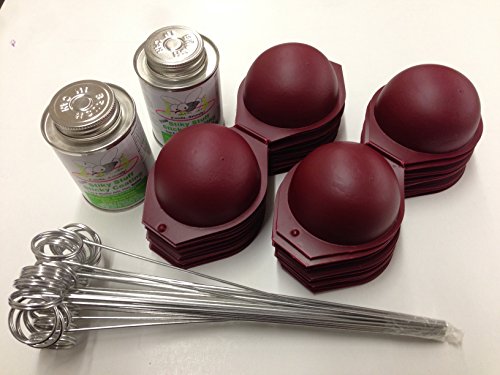
The Olson Products Disposable Apple Maggot Trap Kit emphasizes a clean, economical approach to pest control. This kit includes 25 traps, 25 wire holders, and two cans of adhesive. The traps are designed for simple installation and disposal after use, reducing cleanup compared to traditional hard-plastic traps. It offers a practical solution for gardeners who want a straightforward, low-maintenance system that minimizes the mess and ongoing maintenance typically associated with trapping programs.
Key points include ease of installation, disposable design, and overall cost effectiveness. While it aims to lower maggot numbers and damage, the kit’s success hinges on proper placement and timely deployment, particularly before petal fall. For households seeking a simple, no-fuss option, Olson’s kit presents a solid, non-pesticide strategy.
Catchmaster Tree Banding Insect Barrier DIY Kit

Catchmaster’s Tree Banding Insect Barrier DIY Kit provides a banding solution that creates a physical barrier around tree trunks. It includes an insect barrier adhesive, spreaders, and plastric wrap to form a protective ring that helps deter crawling insects such as lanternflies, moths, cankerworms, and ants. The barrier is designed to be long-lasting with a UV-resistant formula and is environmentally mindful, attempting to minimize impact on non-target species. This kit is ideal for gardeners seeking a durable barrier rather than trapping alone.
When using tree bands, align traps at eye level and ensure the wrap is secure to prevent pets or children from reaching the adhesive. The kit’s strength lies in its preventative scope, protecting trees from a range of crawling pests over a season. Consider combining it with routine monitoring for the best results in pest management plans.
Catchmaster Tree Banding Insect Barrier DIY Kit (Alternative)
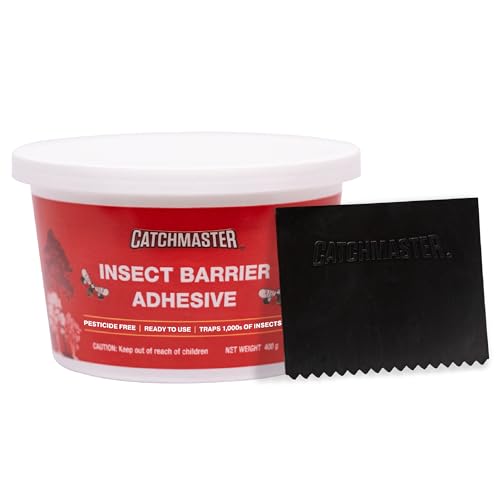
This alternative Catchmaster tree banding kit mirrors the barrier approach with similar contents, emphasizing long-lasting adhesive formulations and protective wrap. Like the other barrier solution, it focuses on preventing pests from reaching the trunk rather than trapping adult insects. It is a sensible choice for gardeners who prefer a shield-based strategy or want to complement trap-based approaches with trunk protection. Evaluate tree size, sun exposure, and typical pest pressure to decide how many bands and how many trees to cover.
VivaTrap VT-105 Peach Tree Borer Trap

The VivaTrap VT-105 Peach Tree Borer Trap targets carpenter moths and related species that threaten peaches and related trees. This two-pack includes long-life pheromone lures designed for extended operation, offering a targeted, pheromone-based approach that reduces damage by attracting pests away from fruit. The lure’s dual-lure strategy extends the trap’s active life, potentially lowering pest populations during peak emergence periods. This product is suited for those focusing on clearwing moth pressure in peaches and adjoining fruit trees.
Key considerations include lure specificity, trap placement timing, and compatibility with other pest-control measures. Pheromone-based traps work best when aligned with pest life cycles and integrated into a broader IPM plan. Users should monitor lure performance and replace lures as recommended to maintain efficacy throughout the season.
Buying Guide: Apple Tree Pest Traps — Key Purchase Considerations
- Target pests and life stage: Identify whether your primary threat is maggots, flying fruit pests, or bark-boring moths. Some products focus on maggots, others on deterrence or barrier protection.
- Non-pesticide vs. chemical-free: Many options rely on physical trapping or barrier methods. If avoiding chemicals is essential, prioritize traps with sticky coatings or physical barriers rather than sprays.
- Scale and coverage: For larger orchards, consider multi-pack kits or barrier systems that cover more trees. Balance initial cost against maintenance frequency and labor.
- Installation and maintenance: Some traps require regular coating reapplication or replacement, while others use long-lasting lures or adhesives. Plan for routine checks during peak pest periods.
- Durability and weather tolerance: Choose products with UV-resistant adhesives and weatherproof designs to maximize season-long performance.
- Environmental impact: Opt for environmentally friendly adhesives and wraps when possible. Minimize disruption to non-target organisms while protecting your fruit.
- Compatibility with IPM plans: Consider how each option fits with broader Integrated Pest Management strategies, including monitoring, timing, and complementary controls.
- Ease of disposal: Disposable traps reduce cleanup effort, but plastic waste is a consideration. Weigh convenience against environmental impact and local recycling options.
Across these options, successful pest management hinges on early deployment, regular monitoring, and adapting strategies as pest pressure shifts. Combining multiple approaches—such as barrier bands with targeted traps—can provide a more complete defense for your apple trees while keeping the environment and non-target species in mind.