Answering the question “which plant foods work best for azaleas, camellias, and rhododendrons?” this guide highlights balanced, acid-loving formulas designed to boost blooms and healthy foliage. Each product is best suited for specific needs, from fast-acting water-soluble feeds to slow-release and organic options. Ideal buyers include container gardeners, outdoor bed planners, organic enthusiasts, and homeowners seeking low-maintenance feeding schedules. The table below compares five top selections to help choose the right product at a glance.
| Product | Best For | Form | Key Benefit |
|---|---|---|---|
| Miracle-Gro Water Soluble Azalea, Camellia, Rhododendron Plant Food | Indoor and outdoor acid-lovers | Water-soluble | Instant feeding for rapid green-up and blooms |
| Schultz Azalea, Camellia, Rhododendron, ACR 14-7-7 Slow Release | Low-maintenance feeding | Slow-release granules | Steady nutrients over time |
| GARDENWISE 8-4-8 Acidic Fertilizer | Soil acidification and micronutrient boost | Granular | Iron-rich, supports chlorosis prevention |
| Dr. Earth Acid Lovers Azalea, Camellia, Rhododendron & Maple Fertilizer | Non-GMO and pet-safe homes | Granular | Balanced minerals with safe ingredients |
| Jobe’s Organics Granular Fertilizer | Organic option with no synthetics | Granular | OMRI-listed, reduced run-off |
Miracle-Gro Water Soluble Azalea, Camellia, Rhododendron Plant Food

Best for rapid uptake, this water-soluble formula feeds acid-loving plants instantly, supporting azaleas, camellias, rhododendrons, gardenias, hydrangeas, orchids, hibiscus, and holly. It’s suitable for indoor plants on shelves or outdoor shrubs in beds or containers. Use when quick green-up and bloom enhancement are desired. Caution: follow label directions to avoid over-fertilization.
Schultz Azalea, Cameillia, Rhododendron, ACR 14-7-7 Slow Release
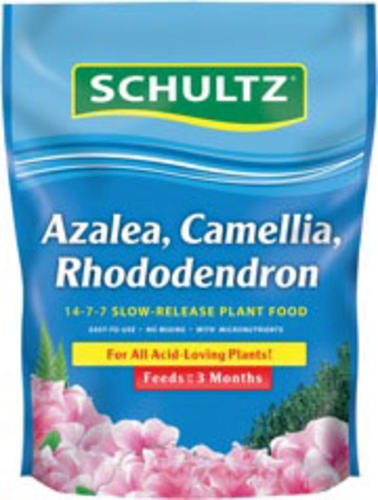
Best for steady feeding without frequent reapplication, this 14-7-7 formulation is designed for acid-loving shrubs. Its slow-release design minimizes the risk of salt buildup and makes it suitable for low-maintenance gardens. Choose this if you want predictable nutrient delivery over time. Limitation: may not provide the rapid boost some growers seek during peak bloom periods.
GARDENWISE 8-4-8 Acidic Fertilizer

Best for both growth and soil acidification, this iron-rich 8-4-8 blend supports azaleas, camellias, rhododendrons, and related acid lovers. It’s particularly helpful in soils that lean toward neutral or alkaline, where acidification is needed to unlock nutrient availability. The product emphasizes beneficial microbial support through its bio-solid carrier. Limitation: the bio-solid aspect may be unfamiliar to some gardeners seeking conventional fertilizers.
Dr. Earth Acid Lovers Azalea, Camellia, Rhododendron & Maple Fertilizer
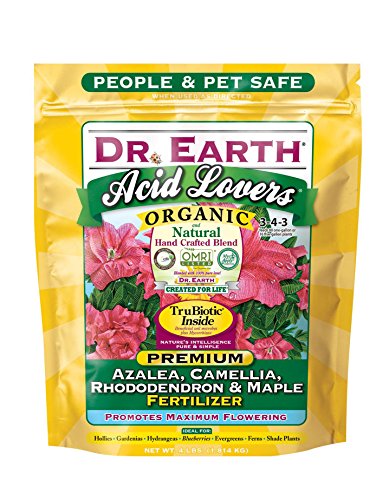
Best for non-GMO, pet-safe households, this granular formula emphasizes balanced minerals and humic acids. It supports soil vitality and robust plant health without synthetic chemicals. Choose this if you prefer an all-natural approach with emphasis on soil structure and microbial activity. Caution: verify suitability for containers where precise feeding is needed to avoid overfeeding in tight spaces.
Jobe’s Organics Granular Fertilizer

Best for organic gardeners seeking a soil-building option, this organic granular fertilizer is OMRI-listed for organic gardening. It avoids synthetic chemicals and is designed to reduce runoff while providing essential nutrients for azaleas, camellias, rhododendrons, and other acid-loving plants. Choose this if you prioritize organic credentials and long-term soil health. Limitation: may require longer to show visible bloom responses compared with quick-acting formulations.
Buying Guide
What should you consider when selecting azalea, camellia, or rhododendron plant food?
- Form and delivery: Do you need fast-acting liquid or convenient slow-release granules? Water-soluble formulas work quickly; granules provide steadier feeding over weeks.
- Soil pH and acid preference: Acid-loving plants perform best in slightly acidic soil. Choose products marketed as acidic fertilizers or those containing iron and micronutrients to combat chlorosis.
- Organic vs synthetic: If you prefer organic options, look for OMRI-listed products or those with natural ingredients. Non-GMO and pet-safe formulations suit homes with children and pets.
- Application scenario: Consider whether you feed potted plants indoors, landscape shrubs, or container plantings. Some products are designed for one-time seasonal feeding, others for ongoing care.
- N-P-K balance: For azaleas and rhododendrons, a balanced or slightly nitrogen-focused blend helps growth and flowering without excessive foliage.
Practical tips for use
- Follow label directions for dosage and frequency to avoid nutrient burn.
- Water soil before applying granular fertilizers to prevent root damage and ensure even distribution.
- For containers, plan a feeding schedule aligned with the plant’s growing season to maximize bloom potential.
FAQ
- What fertilizer is best for azaleas in alkaline soil? Look for acidic fertilizers or iron-containing blends to help lower pH and improve nutrient uptake.
- Can I use regular lawn fertilizer on azaleas? No; lawn formulas are not tailored for acid-loving shrubs and may not provide the right pH or micronutrients.
- How often should I feed rhododendrons? Slow-release formulas can be applied several times during the growing season; follow the product’s recommended schedule.
- Are organic options as effective as synthetic ones? Organic options can improve soil health and long-term vitality, though they may act more slowly than synthetic formulas.
- Is it safe to use fertilizer indoors on potted camellias? Yes, but use a diluted amount and ensure proper drainage to avoid root saturation.
- What signs indicate over-fertilization? Symptoms include leaf burn, yellowing edges, and stunted growth. Rinse soil with water if suspected and adjust feeding.