Choosing the right black neoprene rubber sheet depends on thickness, size, and the intended use. This guide highlights five solid neoprene sheets ideal for DIY gaskets, weather stripping, pads, and level flooring. Each product is evaluated for durability, flexibility, and temperature tolerance to help different buyers decide which sheet best fits their project—whether you’re a hobbyist, contractor, or professional installer. The table below compares core details to help you compare quickly.
| Product | Thickness | Size | Best For |
|---|---|---|---|
| LISHINE Neoprene Rubber Sheet | 1/8 inch | 16 x 30 inches | General gaskets, weather stripping |
| Innconee Neoprene Rubber Sheet | 1/16 inch | 16 x 118 inches | Long strips for DIY gasket runs |
| MATNIKS Neoprene 12×12 Sheet | 1/8 inch | 12 x 12 inches | Small gaskets, supports, sealing |
| RAPOLL Neoprene Sheet | 1/16 inch | 12 x 12 inches | Gaskets, padding, vibration control |
| TORRAMI Neoprene Roll | 1/16 inch | 12 x 10 feet | DIY gaskets, anti-slip, cushioning |
LISHINE Neoprene Rubber Sheet 1/8″ Thick
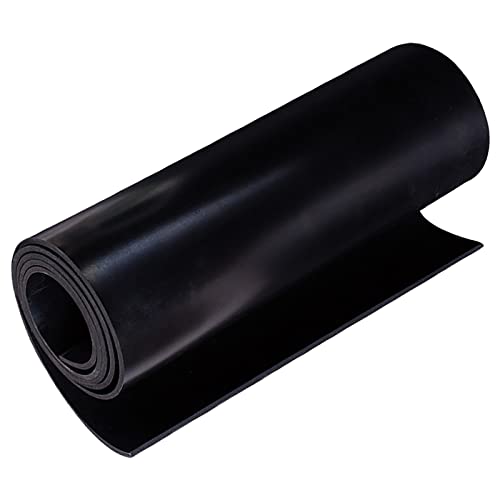
Best for general gasket making and weather stripping. This solid rubber sheet is smooth on both sides and designed for durability across a wide temperature range. It’s not sponge or foam, offering reliable compression for small seals and pads. The material’s good insulation characteristics support electrical applications where a stable gasket surface matters.
DIY enthusiasts and homeowners needing sturdy, flexible black neoprene for small to mid-size gasket projects or weather-stripping tasks. Limitations: thickness is fixed at 1/8 inch, which may not suit very thick sealing needs.
Innconee Neoprene Rubber Sheet Strip
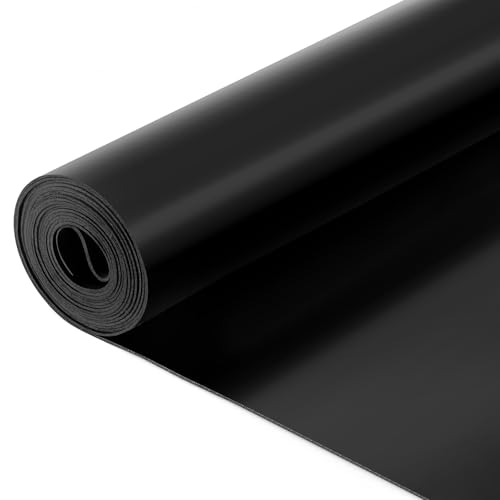
Best for long DIY gasket runs and adaptable sealing strips. This 1/16-inch-thick neoprene sheet is wide and long, making it easy to cut and splice to fit custom lengths. Its durability and temperature stability support indoor and outdoor projects, including mats, seals, and light-duty floor protection.
Who it’s best for: Crafters and contractors who need a large, continuous length to cover seams or edges. Limitations: precision joints may require careful alignment for tight tolerances.
MATNIKS Neoprene Rubber Sheet 12×12
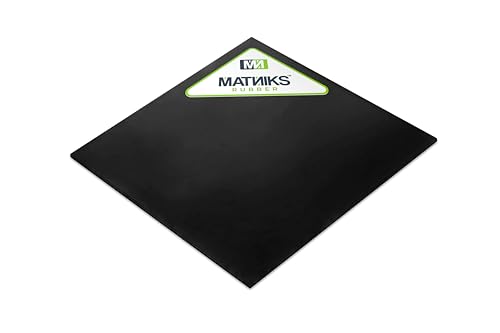
Best for small projects requiring solid 1/8-inch rubber with a uniform square footprint. The heavy-duty material offers good abrasion resistance and retains shape under load, making it suitable for plumbing gaskets, supports, and minor leveling tasks.
Who it’s best for: Home improvement hobbyists and DIYers focusing on compact gasket work and padding. Limitations: 12×12 inches is small for large-area gaskets.
RAPOLL Neoprene Solid Rubber Sheet

Best for versatile DIY gaskets, pads, and cushioning. This 1/16-inch-thick sheet offers insulation, anti-vibration, and oil resistance, with broad temperature tolerance. It’s well-suited for soundproofing and light-duty floor protection in both indoor and outdoor settings.
Who it’s best for: Builders and hobbyists seeking a multi-use sheet that doubles as vibration dampening and cushioning. Limitations: 12×12 inches may require joining for larger seals.
TORRAMI Neoprene Rubber Sheet Roll

Best for long runs and heavy-duty DIY gaskets. The solid 1/16-inch sheet on a 12-inch wide, 10-foot roll provides long continuous lengths for sealing and cushioning tasks. It maintains flexibility across temperatures and resists oils and abrasion for extended use.
Who it’s best for: Professionals and serious hobbyists needing substantial length for continuous gaskets and anti-slip applications. Limitations: long rolls require careful storage to prevent edge damage.
Buying Guide: Key Purchase Considerations
- Thickness and flexibility: Heavier thickness provides better sealing and durability but reduces conformability in tight corners. Choose 1/16 to 1/8 inch for most DIY gasket projects.
- Size and format: Sheets are best when you need precise panels; rolls suit long runs and bulk installations. Decide between pre-cut sizes and continuous lengths based on your project scope.
- Temperature and chemical resistance: Neoprene resists oils and abrasion and performs across a broad temperature range. Consider this if your project involves heat exposure or contact with solvents.
- Durability vs. workability: Heavier sheets are durable but tougher to cut. Look for a balance that matches your tool set and cut accuracy.
- Adhesive backing: Some sheets include adhesive backing for quick mounting. If you need temporary or removable applications, consider non-adhesive options.
Frequently Asked Questions
- What thickness is best for weather stripping?
Typically 1/16 to 1/8 inch works well for weather stripping on doors and windows, balancing compression and durability.
- Can neoprene sheets be cut with household tools?
Yes. A sharp utility knife or scissors can cut most neoprene sheets, though thicker sheets may require a finer blade and steady hand.
- Are black neoprene sheets waterproof?
Neoprene has water resistance properties, but waterproofing depends on the seal and installation quality. Plan proper sealing for water exposure areas.
- Is neoprene safe for outdoor use?
Yes, neoprene sheets shield against moisture and abrasion, making them suitable for outdoor gaskets and padding in many environments.
- Can neoprene replace rubber gaskets in plumbing?
It can replace many gasket materials in DIY projects, but verify compatibility with the specific fluid, pressure, and temperature requirements.