If you need reliable, battery-powered carbon monoxide detectors, this guide highlights top options that work during outages and require no wiring. These devices are best for renters, travelers, or homes with frequent power interruptions. The selections below cover single units and multi-packs, so you can choose the right setup for a single room, an entire apartment, or a vacation property. The quick-reference table summarizes each product’s focus, so you can compare at a glance.
| Product | Brand | Best For | Notes |
|---|---|---|---|
| Kidde Carbon Monoxide Detector, AA Battery Powered | Kidde | Traveling or small home spaces | Portable, no wiring, 85 dB alarm |
| First Alert CO400 Carbon Monoxide Detector | First Alert | Single-room monitoring | Battery powered, electrochemical sensor |
| First Alert CO400-3 CO Detector 3-Pack | First Alert | Multiple rooms or apartments | Three alarms, continuous monitoring |
| First Alert CO400 Carbon Monoxide Detector, 6-Pack | First Alert | Whole home protection in a multi-unit setting | Six alarms for larger spaces |
| Kidde KN-COB-B-LP Nighthawk Alarm | Kidde | Backup power and outages | Three AAs; longer life claim |
Kidde Carbon Monoxide Detector, AA Battery Powered
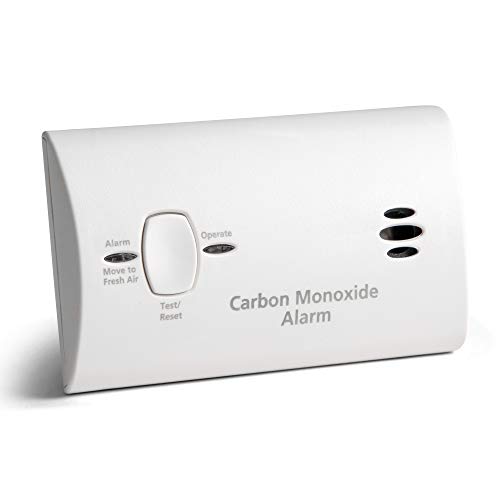
Best for portability and travelers who want immediate CO monitoring without wires. The device uses an electrochemical sensor to detect carbon monoxide and operates on 2 AA batteries, ensuring operation during power failures. It features a green LED when powered and an 85 dB alarm with a red LED to indicate CO presence. This model is ideal for hotel rooms, rentals, or small apartments where a fixed detector is impractical. A potential limitation is battery dependence; you must replace batteries to maintain protection.
First Alert CO400 Carbon Monoxide Detector
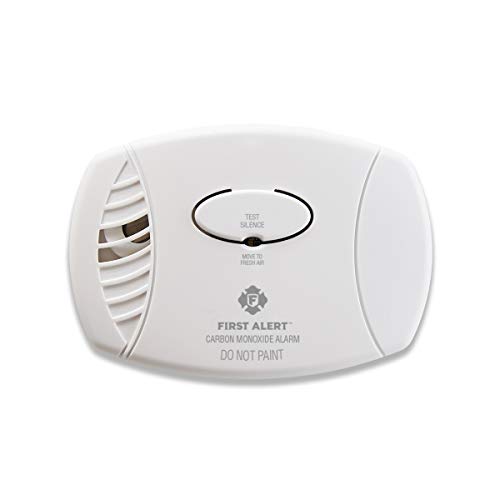
Better for single-room monitoring where reliable electrochemical sensing is essential. This battery-powered alarm provides continuous CO monitoring even during power outages. It uses an electrochemical sensor known for accuracy and emits a prominent 85 dB alarm when CO levels reach dangerous thresholds. Best for one-room bedrooms or living areas. Limitation: as with battery-powered units, routine battery checks and replacements are necessary to ensure ongoing protection.
FIRST ALERT CO400-3 Carbon Monoxide Detector, 3-Pack

This pack is designed for multi-room protection across a small home or apartment. Each unit is battery-operated, providing continuous monitoring even during outages. The three-pack approach makes sense for bedrooms, living areas, and entryways. The key caveat is that all units rely on independent batteries, so you must manage battery life across multiple detectors to maintain coverage.
First Alert CO400 Carbon Monoxide Detector, 6-Pack

Best for larger homes or multiple rental units where centralized CO monitoring is desired. The six-pack approach reduces gaps in protection across several rooms. Each unit maintains battery operation for outages and uses an electrochemical sensor for accurate detection. A potential drawback is the cumulative cost and maintenance of six separate batteries over time, requiring diligent replacement schedules.
Kidde AA Battery Powered, Portable CO Detector
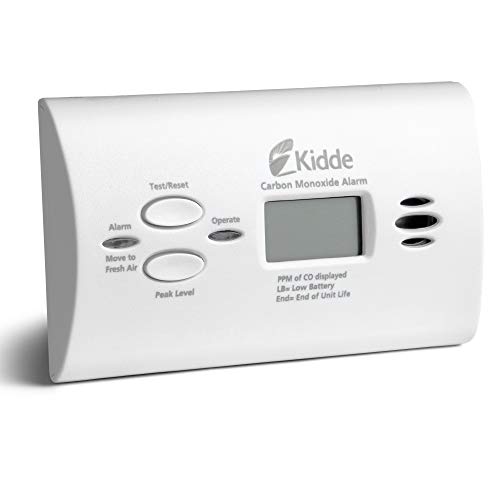
Choose this when you want a compact, highly portable detector suitable for travel or temporary spaces. It operates on two AA batteries and can be wall-mounted or placed on a tabletop. The device offers an easy setup and a clear LED status, making it a good travel companion or supplemental protection in rental rooms. Limitation: portability means you may place it in rooms with varying air conditions, which could affect sensor exposure.
Kidde Carbon Monoxide Detector, AA Battery Powered 5th Edition

This model emphasizes a travel-ready design with a backlit display and LED indicators. It uses two AA batteries and can be mounted or set on a table. The digital display provides status at a glance and the test/hush feature supports quick checks. Best for travelers who want visible status information and quick response in different environments. Limitation: display visibility may be less prominent in very bright lighting conditions.
Kidde Carbon Monoxide Detector, AA Battery Powered, Digital Backlit Display

Best for users who prefer a digital, backlit readout in a portable CO detector. It provides an 85 dB alarm in dangerous CO scenarios and a test/hush function for quick checks. The model operates on AA batteries and is suitable for travel or home use. Limitation: digital display may require a battery change to maintain clear readability over time.
Kidde KN-COB-B-LP Nighthawk Battery-Operated Alarm

Best for extended outages with durable battery life claims and a robust test/reset function. The unit includes three AA batteries for protection during power failures and features a test-reset button to verify operation. It’s well-suited for bedrooms or living rooms in areas with unreliable power. A caveat: battery life varies with usage, so periodic testing is essential to ensure ongoing protection.
Buying Guide
- Power source: All selected models are battery-operated. Consider how often you’re willing to change batteries and whether you need multiple units for larger spaces.
- Sensor technology: Electrochemical sensors are common in these products and offer reliable CO detection. They generally outperform old electrochemical or metal-oxide sensors in accuracy and response time.
- Alarm behavior: Look for an audible alert of at least 85 dB and clear LED indicators. Some models include digital displays or test/hush features for quick verification.
- Placement: For best coverage, place detectors at least five feet above the floor or on the wall at a height recommended by the manufacturer. Avoid placing near vents or heat sources that could affect readings.
- Maintenance: Maintain battery health by setting reminders for periodic battery replacement. Some devices provide low-battery indicators; use them to prevent false alarms.
- Multi-pack considerations: If you choose a multi-pack, plan placement across bedrooms, living spaces, and kitchens to minimize CO detection gaps.
- Travel readiness: For travelers, compact models reduce bulk while still providing essential monitoring during hotel stays or rentals.
FAQ
- What does a battery-powered carbon monoxide detector do during a power outage? It continues to monitor CO levels using its internal battery power.
- How often should I replace the batteries in these detectors? Replace batteries at least once a year, or sooner if the low-battery indicator sounds.
- Can I install these detectors in the kitchen or garage? Yes, but avoid placing them directly over a stove or in areas with excessive heat or fumes, which can affect readings.
- Are there alarms with digital readouts? Some models offer backlit displays to show CO levels and status, which can aid quick interpretation.
- Is a single detector enough for a home? For larger homes, multiple detectors across bedrooms and common areas reduce CO exposure risk, especially during power outages.
- What is an electrochemical sensor, and why is it preferred? It detects CO gas with high sensitivity and fast response, enabling timely alarms when CO levels rise.