Answering your search for affordable, organic potting soil that works well for both indoor and outdoor containers. This guide compares popular, budget-friendly options and explains who each product best serves. Whether you’re growing flowers, herbs, or vegetables, the right organic mix helps with moisture control, nutrient delivery, and root health. Below is a quick buying guide and a summary table of five top picks to consider.
| Product | Best For | Key Benefit |
|---|---|---|
| Miracle-Gro Organic Outdoor Potting Mix, 16 qt | Outdoor containers | Quick-release fertilizer, peat-based |
| Miracle-Gro Organic Indoor Potting Mix, 16 qt | Indoor houseplants | Moisture regulation, indoor suitability |
| Espoma Organic Potting Soil Mix, 4 qt | All indoor & outdoor containers | Mycorrhizae, rich blend |
| Burpee Organic Premium Potting Mix, 9 Quarts | Containers and raised beds | Instant feed and slow-release nutrients |
| Back to the Roots 100% Organic Potting Mix, 6 Quart | Lightweight, peat-free option | Made in USA, moisture retention |
Miracle-Gro Organic Outdoor Potting Mix, 16 qt

Best for outdoor container gardens that need a ready-to-use mix with fertilizer. This mix includes a quick-release natural plant fertilizer and feeds plants for up to two months, making it suitable for flowering and vegetable planters. The peat-based formula comes from responsibly sourced peat providers, improving aeration and drainage in outdoor pots.
Who it’s best for: gardeners with outdoor containers looking for a convenient, once-and-done feeding solution. Why selected: widely available, proven performance for seasonal container plants, and a balance of nutrients and moisture management. Caution: the quick-release fertilizer means more frequent feeding isn’t necessary for a short time; avoid overwatering right after planting.
Miracle-Gro Organic Indoor Potting Mix, 16 qt

Best for indoor houseplants and herb containers that require moisture regulation. This mix uses sphagnum peat moss and coir to support moisture balance and resilience against both overwatering and drought, with a quick-start natural fertilizer to jumpstart growth. Suitable for seed starting as well.
Who it’s best for: indoor gardeners who want reliable moisture control and a versatile mix for various indoor plants. Why selected: strong moisture management and suitability for seed starting. Caution: for very dry climates, you may still need to water carefully to prevent drying out the top layer.
Espoma Organic Potting Soil Mix, All Natural Potting Mix, 4 qt
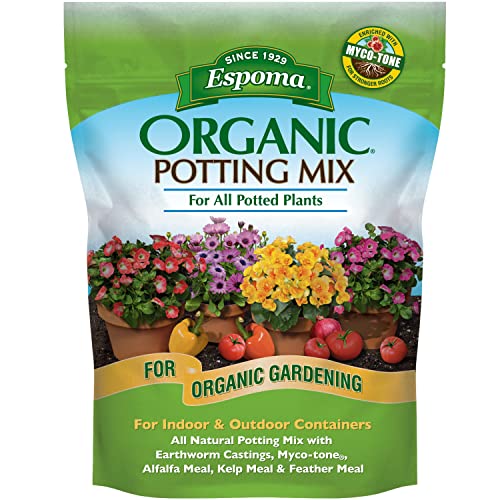
Best for a versatile indoor/outdoor container mix with a rich organic blend. It contains sphagnum peat moss, humus, perlite, and a Myco-Tone blend of mycorrhizae to aid nutrient uptake and root development. This potting soil suits herbs, vegetables, flowers, and container plants.
Who it’s best for: gardeners seeking a comprehensive organic blend with beneficial fungi. Why selected: mycorrhizal support can improve establishment and growth. Caution: check container needs since this is a compact 4 qt bag, so larger projects may require multiple bags.
Burpee Organic Premium Potting Mix, 9 Quarts

Best for containers and raised beds that need robust growth and moisture retention. This mix combines organic plant food with coconut coir to promote root vigor and maintain soil moisture. It’s OMRI Listed for organic use, making it suitable for organic gardeners.
Who it’s best for: container growers wanting an all-in-one mix with long-lasting moisture control. Why selected: coconut coir helps retain water, while the blend supports steady feeding. Caution: coconut coir can be heavy in larger quantities; plan for weight and handling in tall containers.
Back to the Roots 100% Organic Potting Mix, 6 Quart
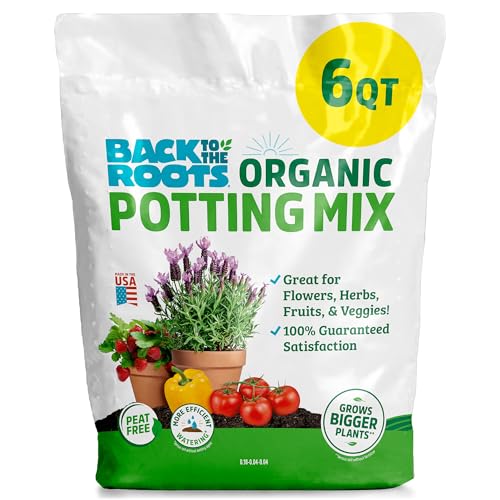
Best for a peat-free, all-organic option that’s lighter on peat use. This mix is made from upcycled plant matter and wood fines, designed to be a versatile mix for herbs, vegetables, fruits, and flowers. Yucca extract aids moisture retention, and pH balance is supported by dolomitic limestone.
Who it’s best for: eco-conscious gardeners seeking a peat-free, USA-made option. Why selected: lighter carbon footprint and good moisture management. Caution: as a smaller 6 qt bag, you may need multiple bags for larger projects.
Buying Guide
What should you consider when choosing cheap organic potting soil?
- Container type and plant mix: Indoor vs outdoor use changes moisture needs and nutrient delivery.
- Moisture management: Look for blends that include materials like coco coir, peat, or perlite to balance water retention and drainage.
- Organic certifications: OMRI listing or similar confirms organic status for organic gardening.
- Mycorrhizal content: Beneficial fungi can improve root growth, nutrient uptake, and resilience.
- Sustainability: Peat-free options reduce environmental impact; consider blends from recycled or upcycled components.
- Size and reuse: Bag size matters for project scope; consider multiple bags for larger containers or beds.
Frequently Asked Questions
- What is the best organic potting soil for indoor plants?
– A blend with moisture regulation, peat-based or peat-free options with coco coir and perlite is ideal for indoor containers that require controlled watering. - Do organic potting soils need fertilizer?
– Some blends include quick-start fertilizers; others rely on soil organisms or slow-release nutrients. Check product details for feeding duration. - Is peat-based soil sustainable?
– Peat can be less sustainable; look for peat-free options or blends with responsibly sourced peat substitutes like coconut coir. - Can organic potting soil be used for vegetables?
– Yes, many organic mixes are suitable for herbs and vegetables in containers, often with additional nutrients to support edible crops. - How much soil should I buy for a balcony garden?
– Estimate container volume. A typical 16 qt bag covers several medium pots; larger projects require multiple bags. - What are mycorrhizae, and should I look for them?
– Mycorrhizal fungi extend roots to improve nutrient and water uptake; many premium organic mixes include them for better growth.
Note: All product descriptions are presented for comparison and purchase considerations. The buying guide emphasizes practical choices aligned with buyer intent and container gardening needs.