The best denim fabric by the yard depends on the project: choose the 6.5-ounce option for lighter apparel, 16-ounce selvedge for rigid heavyweight work, viscose faux denim for soft drape, the five-yard sky-blue cut for larger projects, or washed 9-ounce cotton for everyday sewing. Compare fiber, weight, width, finish, and cut length before ordering; those details affect how much fabric you need and how the finished project behaves.
| Fabric | Best For | Key Detail |
|---|---|---|
| 6.5-ounce deep blue | Light apparel | Comfort-stretch denim listing |
| 16-ounce selvedge | Rigid, heavy projects | Raw indigo, 35-inch width |
| Viscose faux denim | Soft, draped garments | 205 GSM, 59-inch width |
| Sky-blue denim | Larger sewing projects | Five-yard cut, 60 inches wide |
| Washed 9-ounce cotton | Everyday apparel | 100% cotton, 62 inches wide |
6.5-Ounce Deep Blue Comfort-Stretch Denim

Best for: Sewers looking for a lighter-weight denim for apparel, jeans, jackets, or DIY projects. The listing describes a 6.5-ounce deep-blue option and labels the fabric comfort stretch, making it a lighter alternative to the 16-ounce rigid denim below.
The product name also describes the material as 100% cotton. Because the listing uses both “100% cotton” and “comfort stretch” language, check the current product details if fiber composition or stretch behavior is essential to your pattern. The shown option is one yard.
16-Ounce Raw Indigo Selvedge Denim

Best for: Projects that call for substantial, rigid denim, such as structured garments or durable craft work. This listing specifies 16-ounce, 100% cotton raw indigo denim, a 3/1 right-hand twill, shuttle-loom weaving, and a narrow 35-inch width. The listed cut is two yards and is described as unwashed.
Choose it when selvedge construction and heavyweight material matter more than a soft hand or easy drape. Its rigid, non-stretch construction and narrow width may require different pattern planning than lighter, wider fabric.
Viscose Faux Denim, 205 GSM

Best for: Garments where a denim-inspired appearance and soft, flowing drape are more important than traditional rigid denim. The provided details describe a viscose blend, 205 GSM weight, and 59-inch width. The fabric is presented as smoother and more fluid than standard rigid denim, while retaining enough substance for tailored garments.
This is the better choice for comfortable everyday fashion with a denim look. It is faux denim rather than traditional cotton denim, so avoid it if your project specifically requires rigid 100% cotton denim. The listing name specifies a one-yard cut.
Five-Yard Sky-Blue Denim Fabric
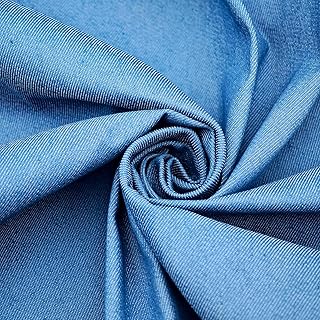
Best for: Sewers who need a longer continuous cut for a larger project or multiple pieces. The product name specifies five yards of sky-blue denim measuring 60 inches by 180 inches. That listed length and width distinguish it from the one- and two-yard options in this comparison.
The name also describes the fabric as 40 ounces, but the provided information does not clarify the weight basis or fiber content. Confirm those specifications before choosing it for a garment that depends on a particular denim weight or composition.
Washed 9-Ounce Indigo Cotton Denim
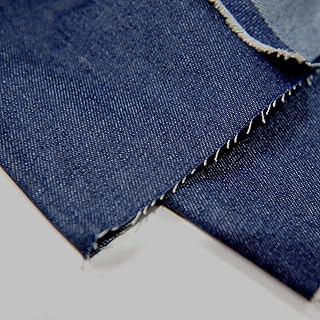
Best for: Buyers seeking a wider, washed cotton denim for apparel or general sewing. The listing specifies 100% cotton, a 9–10-ounce weight, 62-inch width, and a solid fabric sold by the yard. It also lists machine washing in cold water and tumble drying on low.
Compared with the raw 16-ounce selvedge, this is lighter and wider, with a washed finish. Choose it if those listed characteristics suit your pattern. The listing does not specify stretch, so do not assume it behaves like stretch denim.
Buying Guide: How To Choose Denim By The Yard
What denim weight suits your project?
Use the stated weight as a comparison point, not the only decision factor. The 6.5-ounce listing is the lightest explicitly weighed option here, while the 16-ounce selvedge is clearly heavyweight and rigid. The 9–10-ounce cotton sits between them. The faux denim’s 205 GSM is a different unit, so compare it cautiously with ounce-rated denim.
Should you choose cotton, stretch, or faux denim?
Check the fiber and construction details against your pattern. The washed and selvedge fabrics are listed as 100% cotton; the faux denim is described as a viscose blend. The lighter product name combines 100% cotton and comfort-stretch language, so verify the exact specification if stretch is necessary. Do not treat denim-look fabric as equivalent to cotton denim.
How much fabric and width do you need?
Measure the pattern pieces and check the fabric width before ordering. Listed widths range from 35 inches for the selvedge to 62 inches for the washed cotton. Cut lengths also differ: one yard, two yards, and five yards are specified across these products. Allow for layout, matching direction, and any project-specific shrinkage guidance.
Does finish matter?
Raw, unwashed denim and washed denim are not the same finish. Follow the seller’s care instructions and consider how the fabric’s current finish fits your project. If shrinkage or color behavior is important, look for explicit product guidance rather than assuming details that are not listed.
Frequently Asked Questions
What is the best denim fabric by the yard for jeans?
Choose according to the jeans pattern: rigid heavyweight denim for structure, or a lighter option if the pattern calls for it. Check stretch, fiber, weight, and width before buying.
Is 16-ounce denim suitable for lightweight clothing?
The listing describes it as heavyweight, rigid, and non-stretch. It is better suited to projects that call for substantial denim than garments requiring light, fluid fabric.
Is viscose faux denim the same as cotton denim?
No. This listing describes a viscose-blend fabric with a denim look and softer drape, while the cotton options specify cotton fiber.
How do I calculate how many yards to buy?
Follow the pattern’s yardage chart for the fabric width you select. If the chart does not match the listed width, recalculate the layout or seek pattern guidance.
Should denim be washed before sewing?
Follow the care guidance for the specific fabric and your project needs. The washed cotton listing provides machine-care instructions; the selvedge listing identifies its fabric as unwashed.