Finding the right reeds for a tenor sax can dramatically affect tone, response, and playability. This guide focuses on traditional and jazz-style reeds that deliver a rich, flexible sound across registers. It is especially helpful for players seeking reeds that balance ease of attack with quick response and tonal clarity. The top picks below are best for advancing students, adult players exploring new textures, and jazz players who want reliable consistency across performances.
Summary of chosen products:
| Product | Brand | Strength | Why it’s a fit |
|---|---|---|---|
| Vandoren SR223 Tenor Sax Traditional Reeds | Vandoren | 3 | Balanced tone, strong upper-register control |
| Vandoren SR2225 Tenor Sax Traditional Reeds | Vandoren | 2.5 | Great for quick attacks and legato phrasing |
| D’Addario Rico Organic Tenor Saxophone Reeds | D’Addario | 2.5 | Reliable for students and teachers seeking consistency |
| Bruislard Tenor Sax Reeds 10 Pcs Traditional | Bruislard | 2.5 | Bulk option, good value for daily practice |
| Vandoren SR273 Tenor Sax Java Reeds | Vandoren | 3 | Bright, responsive, well-suited for jazz |
Vandoren SR223 Tenor Sax Traditional Reeds Strength 3

Strength 3 traditional reeds are known for excellent response across registers, including a pianissimo attack in higher notes. They are extremely flexible, supporting legato or staccato execution of large intervals while preserving tone body and clarity. This selection is best for players seeking a balanced, traditional Vandoren feel across genres. Best for intermediate to advanced players who want reliable and versatile reeds.
Who it’s best for: players seeking a classic Vandoren sound with strong upper-register control and consistent response. Caution: Slightly stiffer than light reeds, may require longer acclimation for beginners.
Vandoren SR2225 Tenor Sax Traditional Reeds Strength 2.5

Strength 2.5 traditional reeds offer a comfortable blend of ease of attack and tonal depth. Known for excellent response in all registers, they enable pianissimo attacks in the highest notes while maintaining clarity in long phrases. They are extremely flexible for legato and staccato playing. Best for players transitioning from beginner to intermediate, and jazz enthusiasts who want responsive reeds with a traditional Vandoren feel.
Who it’s best for: students advancing to higher dynamic control and players who value quick response across the range. Caution: May feel slightly soft for players in very bright environments or with a hard mouthpiece.
D’Addario Rico Organic Tenor Saxophone Reeds Strength 2.5

Rico Organic reeds are designed for easy playing and control, making them popular among beginners and teachers. They’re praised for reed-to-reed consistency thanks to proprietary digital manufacturing. This option is best for teaching studios and students who prioritize predictable response and dependable playability across sessions.
Who it’s best for: beginning saxophonists and teachers seeking an affordable, consistent reed. Caution: Some players report variability in color and response; consider trying a few before committing to a full box.
Bruislard Tenor Sax Reeds 10 Pcs Traditional
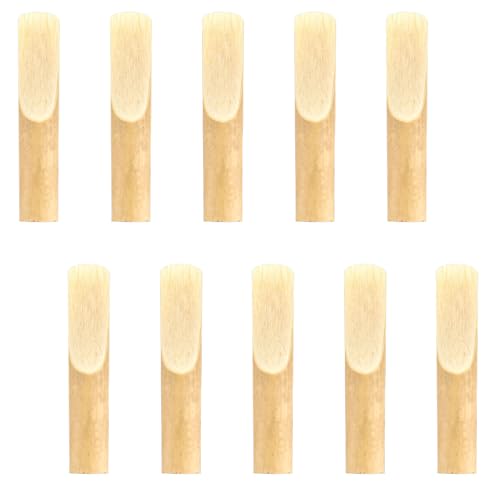
This package offers ten tenor reeds in strength 2.5, providing ample supply for daily practice. The reeds are described as durable with good longevity and broad usability across common jazz and classical contexts. Best for students or players who practice extensively and want a bulk option without sacrificing basic playability.
Who it’s best for: players who want a low-cost, high-volume option for regular practice. Caution: Less tonal nuance than premium brands; may require more break-in time.
Vandoren SR273 Tenor Sax JAVA Reeds Strength 3

JAVA reeds are more flexible than traditional and V16 types, vibrating across a broader palette for a bright, immediate response. They’re a strong choice for jazz players seeking a lively, flexible reed that can handle quick articulation and dynamic changes. Also available in other strengths. Best for: jazz-focused players who want a bright, responsive reed with fast response.
Who it’s best for: jazz players and lead players who want a quick, bright feel. Caution: May require stronger mouthpiece setup for beginners seeking a softer entry.
Vandoren SR2725 Tenor Sax JAVA Reeds Strength 2.5

JAVA Reeds in strength 2.5 offer a balance between brightness and control, delivering a quick, responsive attack with a jazz-friendly character. They are ideal for players who want consistent, immediate response across the dynamic range. Best for: intermediate players exploring a jazz-reed sound without sacrificing consistency. Caution: Might feel stiffer to players who prefer very soft reeds.
Vandoren SR2235 Tenor Sax Traditional Reeds Strength 3.5

Strength 3.5 traditional reeds deliver strong projection with a comfortable high-note feasibility, maintaining tonal richness across registers. They’re well-suited for players who need clear articulation in louder settings or who prefer a fuller, traditional Vandoren sound with less resistance. Best for: more experienced players and harder mouthpiece setups. Caution: may require a larger mouthpiece opening or more air support to avoid biting or forced tone.
Vandoren SRMIXT25 Jazz Reed Mix Card

This mix card contains one reed from each style: ZZ, V16, JAVA and JAVA Red, Strength 2.5. It’s an economical way to sample different jazz styles and find the best match for a player’s tone and response. Best for: players exploring jazz sounds and deciding which Vandoren style aligns with their playing. Caution: Sampler variety means it requires individual testing to determine preferred style and strength.
Buying Guide: Key Purchase Considerations
What reed strength should you start with on tenor sax?
Beginners typically start with softer strengths (1.5–2.5) for easier response, then move to 2.5–3.0 as embouchure and air control improve. Jazz players often prefer 2.5–3.0 for a brighter, more immediate response, while classical players may favor 3.0–3.5 for control in higher dynamics.
How does reed profile affect playability?
Traditional reeds generally offer a balanced, stable response, while JAVA and V16 profiles emphasize flexibility and a brighter attack. Consider the playing style, mouthpiece setup, and upper-register demands when choosing a profile.
Why choose a mixed pack versus a single strength?
A mixed pack is useful for testing in a single purchase to identify the best fit across pieces and repertoire. For ongoing playing, select a single strength that matches your mouthpiece, reed-cut stencil, and preferred tone.
What should you look for in reed consistency?
Manufacturing consistency matters for predictable response. Reeds with standardized blank thickness and shaping tend to deliver more uniform feel and sound. Educational reeds often emphasize consistency for classroom use, while premium reeds focus on tonal stability in performances.
How does reed choice impact maintenance?
Reeds should be stored dry and kept moist during playing to prevent warping. Avoid bending reeds excessively and rotate several reeds to reduce wear on a single piece. Always check for cracks or chips before use.
What if I’m selecting reeds for a student?
Choose a reliable, consistent reed line such as D’Addario Rico Organic or Vandoren traditional reeds to minimize surprises in lessons. A clear progression from 2.5 to 3.0 can support technical growth while maintaining comfortable response.
FAQ
- What is the best reed for a beginner tenor saxophonist? Answer: A 2.5 strength reed from a trusted brand is a common starting point, with a focus on consistent response and easy playing.
- Do jazz reeds feel different from traditional reeds? Answer: Yes, jazz reeds like JAVA profiles tend to be more flexible and brighter, offering quicker response for swing and improvisation.
- Are bulk reeds less reliable than boxed reeds? Answer: Bulk options may vary in consistency; test multiple reeds to find a dependable batch and consider established brands for classroom use.
- Can I mix reed brands in the same instrument? Answer: It’s possible, but consistency in response and feel can be affected; many players prefer standardizing to one brand and strength.
- How often should reeds be replaced for best tone? Answer: Reeds should be replaced when they show wear, cracking, or changes in response—frequency depends on playing style and practice volume.
- What is the advantage of trying a reed mix today? Answer: A reed mix helps you compare profiles (traditional, JAVA, V16, etc.) to determine which style best matches your tone and technique.