Looking to diversify a freshwater setup with striking, non-native species? This guide highlights five compelling options that suit different tanks and care levels. Each pick is noted for its distinctive look, temperament, and best-use scenario, helping you choose confidently for planted tanks, nano setups, or community aquariums. The top picks below include a peaceful schooling fish for color and activity, interesting oddballs for variety, and hardy options for busy hobbyists. See the quick summary table to compare at a glance.
| Product | Best For | Why It Stands Out |
|---|---|---|
| Neon Tetra Live Freshwater Fish (5 +2) | Peaceful community tanks | Bright blue and red coloration; schooling excellence |
| Neocaridina Shrimp (20 Mix) | Nano to small planted tanks | Active inverts; color variety; easy to care for |
| Rope Fish 8–10” | Oddball centerpiece; planted tanks | Long eel-like body; serene personality |
| Dwarf Pea Puffer (Pack of 6) | Small-dimension aquariums | Interactive, quirky behavior; unique patterning |
| Leopard Sailfin Pleco | Algae control; community tanks | Hardy algae eater; peaceful with others |
Neon Tetra Live Freshwater Fish – 5 +2 FREE

Best for: Peaceful community tanks with plenty of swimming space. Neon Tetras are small, active, and renowned for their vivid blue and red coloration. They form a confident school, creating continuous motion that enlivens planted or natural-style aquariums. This lot includes extra juveniles, which can help establish a dynamic school quickly.
Why selected: The combination of small size, schooling behavior, and striking color makes Neon Tetras a reliable focal point in community setups. Their calm temperament suits beginners expanding into larger or more diverse layouts. If you want a bright, cohesive school, this option stands out.
Limitations: Tetras prefer stable water conditions and consistent feeding schedules; abrupt changes can stress the group. They may not thrive in tanks with aggressive or much larger fish that chase them.
Neocaridina Shrimp Live Freshwater Shrimp (20)

Best for: Nano and planted freshwater tanks needing subtle color and active cleanup crew. The mix of juvenile shrimps provides a lively display of color variations while contributing to biofilm and algae control. Easy to care for and compatible with many peaceful fish.
Why selected: Shrimp add natural appeal to small, densely planted tanks and can be a great first inverts for beginners building a balanced ecosystem. The mix increases behavioral interest and resilience in varied water parameters.
Caution: Some fish species may view shrimp as food; ensure compatible tank mates and hiding spaces for shrimplets to thrive.
Rope Fish 8–10”
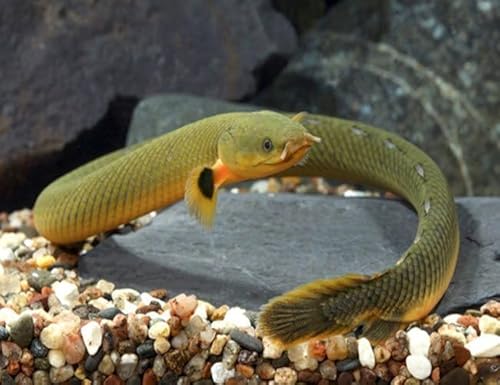
Best for: Peaceful, mid-to-large planted tanks or community setups where a long-bodied oddball can shine as a centerpiece. Rope Fish are eel-like but non-aggressive and explore caves and plants with gentle curiosity.
Why selected: Its distinctive silhouette and calm nature add visual interest without demanding aggressive tank mates. They appreciate dimmed lighting and well-covered tank setups to mimic natural hiding spots.
Limitation: Rope Fish are sensitive to sudden temperature changes and require stable water parameters; avoid housing them with very aggressive or fast-moving neighbors.
Dwarf Pea Puffer Fish (Pack of 6)

Best for: Nano aquariums seeking an interactive, small predator-style fish. Pea Puffers display curious behavior and can be a focal point for observers who enjoy individual personality in a compact space.
Why selected: Their tiny size makes them ideal for small tanks (10+ gallons) while offering a distinctive, engaging personality that many hobbyists enjoy watching. They require careful stocking to avoid incompatible tank mates.
Caution: Pea Puffers can be semi-aggressive toward tank mates and may nip at rival lines or slower fish; plan careful species pairing and provide ample hiding spots.
Leopard Sailfin Pleco (4 Pack)
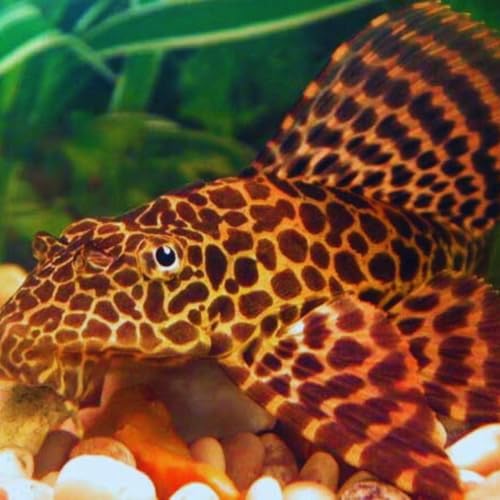
Best for: Community freshwater tanks needing robust algae control and reliable peaceful behavior. The Leopard Sailfin Pleco is a popular algae eater and hardy addition to larger setups.
Why selected: Plecos are known for their algae-cleaning capabilities and generally good compatibility with other community fish. Their presence supports tank cleanliness and overall balance in mature aquariums.
Caution: Plecos can outgrow small tanks; ensure adequate space and suitable hiding spots, and monitor for overstocking when combining with other species.
Buying Guide: Key Purchase Considerations
Tank size and shape influence which fish fit best. Larger active species like Rope Fish and Sailfin Plecos need ample length and secure hides. For nano tanks, shrimp and small tetras are safer and more manageable. Water parameters matter: Neon Tetras prefer stable, soft, slightly acidic water; shrimp and puffers have more specific needs, including salinity considerations for some species. Compatibility matters: avoid aggressive or large tank mates with small invertebrates or delicate fish. Feeding habits vary; plan a consistent schedule with appropriate diets for each species. Quarantine new arrivals to minimize disease risk and monitor for stress indicators during acclimation.
Frequently Asked Questions
- Which fish are best for beginners? Neon Tetras and Neocaridina Shrimp are generally more beginner-friendly due to their hardiness and peaceful temperaments when kept with compatible tank mates.
- Can these species share a tank? Yes, but ensure proper tank size, hiding spots, and compatible temperaments to prevent predation or stress.
- What tank size do I need for a Rope Fish? Rope Fish typically require at least 55 gallons when adults; smaller setups should avoid housing adult specimens.
- Are puffers safe with community fish? Dwarf Pea Puffers may display territorial behavior; they should be housed with carefully chosen tank mates and adequate hiding spaces.
- How do I prevent shrimp from being eaten? Choose tank mates that aren’t likely to prey on shrimp and provide plenty of microhabitats for concealment.
- What maintenance helps these fish thrive? Maintain stable temperatures, consistent feeding, and regular water testing to support the health of fish and invertebrates alike.