Polymeric jointing sand enhances hardscape stability, weed prevention, and weather resistance for patios, walkways, and driveways. This guide spotlights five top options, explaining who each product matches best and why it stands out. Use these picks to choose a durable, low-maintenance joint sand that fits your pavers, natural stone, or brick installations. Whether you’re a DIY homeowner or a professional contractor, you’ll find clear reasons to prefer specific sands for different joint widths and climate conditions.
| Product | Best For | Joint Width |
|---|---|---|
| Rhino Power Bond Plus Slate Gray | Residential patios and walkways with varied paver colors | Up to 2 inches |
| Rhino Power Bond Plus Beige | Beige/beige-toned hardscapes; long-lasting weather resistance | Up to 2 inches |
| Rhino Power Bond Plus Ivory | Clean, bright joints on light-colored installations | Up to 2 inches |
| ConSANDtrate Santa Fe Buff | Color-matched, calibrated sand for a natural look | Up to 2 inches |
| SRW Pavermate Beige | Professional-grade, versatile for brick and stone joints | Up to 2 inches |
Rhino Power Bond Plus Slate Gray Polymeric Sand

Best for: DIY patios and commercial projects with slate, bluestone, or natural stone accents. The slate gray shade complements diverse paver colors while delivering a durable joint stabilizer that hardens after water activation. It supports joints up to 2 inches and is suitable for patios, walkways, driveways, pool decks, and borders.
Why chosen: It emphasizes compatibility with concrete pavers and multiple stone finishes, offering a professional hardscape finish that resists weed growth, erosion, and washout. The product emphasizes fast activation and easy maintenance for year-round use.
Caution: Ensure joints are properly swept and compacted before water activation to minimize haze and maximize joint stability.
Rhino Beige Polymeric Sand for Pavers

Best for: Beige-toned landscapes where the joint color should blend with stone, brick, and tiled surfaces. Designed for patios, driveways, walkways, and garden paths, this sand aims to lock joints firmly and reduce weed growth.
Why chosen: It offers strong joint locking and weather resistance, with a focus on a clean, low-haze finish after water activation. It’s suitable for users seeking straightforward, fast DIY installation.
Caution: Depending on weather, activation time and the extent of joint width may vary; plan for quick setting in suitable conditions to minimize haze.
Rhino Ivory Polymeric Sand for Pavers

Best for: Light-colored installations where a clean, bright joint line is desired. Ivory joints suit ivory, tan, or cream pavers and natural stone surfaces, providing a tidy aesthetic while maintaining joint stability.
Why chosen: It advertises a secure and lasting joint with haze-free performance and rainfast behavior, designed to handle a range of weather conditions. The product supports fast, simple installation and reliable long-term performance.
Caution: The ivory color may show surface staining more readily than darker hues in areas with organic debris or staining agents; keep surface clean during maintenance.
SRW Pavermate Polymeric Paver Sand, Beige
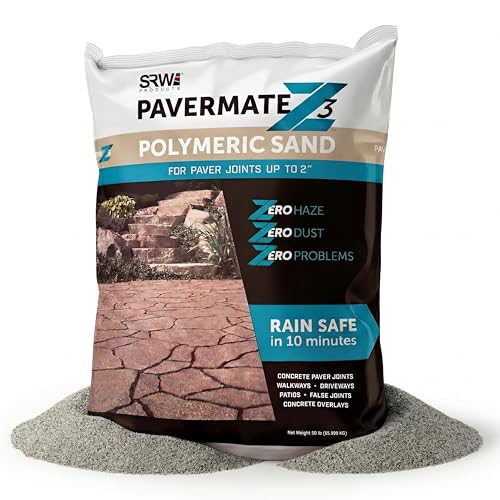
Best for: Professional-grade use on patios, driveways, walkways, and garden paths requiring reliable joint stabilization across concrete, pavers, brick, and flagstone surfaces.
Why chosen: It is a versatile option designed for retaining walls and decorative stone projects, offering a fast-setting formula that resists erosion, weeds, and weather-related cracking. It emphasizes long-lasting, low-maintenance results for high-traffic areas.
Caution: Check joint width specifications for optimal performance; wider joints may require additional product or application passes to ensure full stabilization.
Buying Guide: Polymeric Joint Sand Basics
What makes a polymeric joint sand right for your project? Consider joint width, surface color, climate, traffic, and maintenance needs. Look for haze-free formulas to minimize cleanup after installation and rainfast properties to ensure quick stabilization after activation.
- Joint width and surface: Most products support joints up to 2 inches. Confirm your paver or stone joint gaps before purchasing.
- Color match: Choose a sand color that complements or blends with your pavers or stones to enhance curb appeal.
- Weather performance: In hot, cold, or wet climates, select a product advertised as weather-resistant or rainfast after activation.
- Installation ease: Some sands are designed for quick activation with minimal haze; others emphasize professional-grade performance for high-traffic areas.
- Maintenance: Look for long-lasting joint stability to reduce weed growth and erosion between maintenance cycles.
Frequently Asked Questions
- What is polymeric sand?
Polymeric sand is a blend of fine sand and binding agents that hardens when wetted, creating stable joints and reducing weed growth in paver and stone installations.
- How long does activation take?
Activation times vary by product and weather, but many polymeric sands set quickly after watering and become rainfast within hours.
- Can I use polymeric sand for all joint widths?
Most products are designed for joints up to 2 inches; check the packaging to confirm exact specifications for your project.
- Is haze unavoidable with polymeric sand?
Haze can occur if the product is not brushed off properly after curing. Some brands offer haze-free technology to minimize this issue.
- Which color should I choose?
Choose a color that matches or complements your pavers, stone, or brick for a cohesive look. Lighter colors may show staining more easily.
- When should I reapply polymeric sand?
Reapplication is typically needed after significant erosion, maintenance activities, or if the joints have settled unevenly over time.