Answering the search for jazz-friendly string gauges, this guide highlights five string sets ideally suited for jazz guitarists seeking warm, smooth tones and reliable intonation. Each pick targets different playing styles—from classic flatwound warmth to brighter blues-jazz fusion—so you can choose based on feel, tone, and longevity. Best for players focusing on clean arpeggios, subtle dynamics, and expressive vibrato. Below, you’ll find a quick product snapshot followed by deeper details and a buying guide to compare gauge, tone, and playability.
| Product | Gauge Type | Best For |
|---|---|---|
| D’Addario ECG24 Jazz Light | 11-50 flat/round mix (Flat wound) | Classic jazz, warm mellowness |
| D’Addario ECG26 Medium | 13-56 flat wound | Blues/Jazz fusion, fuller rhythm |
| D’Addario EPN21 Jazz Light | 12-51 round wound | Jazz guitar with bright articulation |
| D’Addario EPN115 Blues/Jazz Rock | 11-48 round wound | Jazz/blues crossovers, expressive bends |
| D’Addario EJ21 Jazz Light 12-52 | 12-52 nickel round wound | Bright jazz with clear highs and smooth feel |
D’Addario XL Chromes ECG24 Jazz Light 11-50
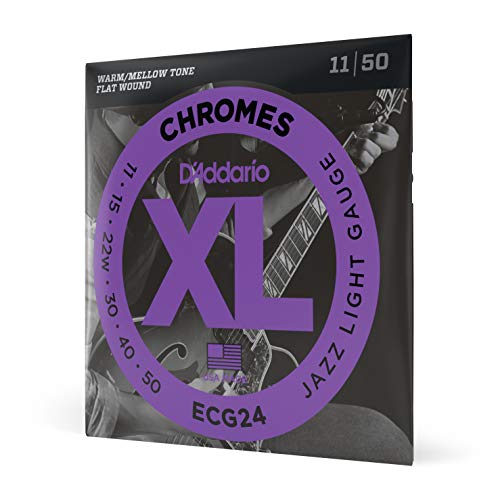
Best for players seeking a traditional jazz tone with a refined, ultra-smooth feel. The flat wound construction delivers mellower, rounded dynamics and reduced bite, ideal for clean jazz comping and warm chordal textures. The hex-core design supports stable intonation across the neck. Consider this choice if you prefer vintage warmth and a quiet feel under fingers.
- Best for: Jazz purists wanting classic flat-wound warmth
- Why chosen: Distinctly mellower tone and exceptionally smooth playability
- Caution: Flat wounds can feel stiffer at first compared to round wounds
D’Addario XL Chromes ECG26 Medium 13-56

Better for players who want a fuller, more present midrange without sacrificing a smooth feel. These flat-wound strings yield a warm, mellow voice with strong sustain—well-suited to ballads, chord melody, and intimate jazz settings. The hex-core remains a plus for stable intonation and longevity over long practice sessions.
- Best for: Jazz players seeking a fuller rhythm section presence
- Why chosen: Warm, mellow voice with controlled dynamics
- Caution: Heavier gauge may require finger pressure adjustment during barre work
D’Addario XL Pure Nickel EPN115 Blues/Jazz Rock
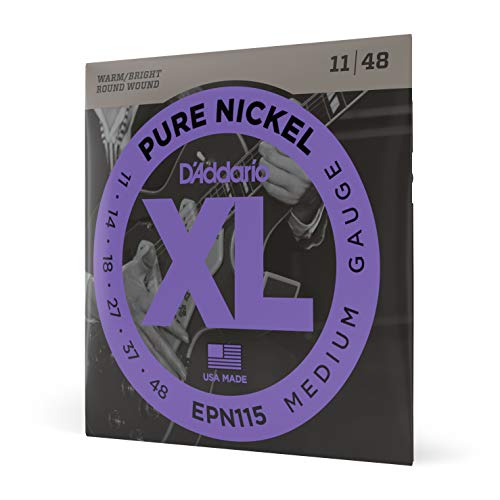
Choose this if you want a vintage-inspired brightness with lasting performance. Pure nickel strings offer a mid-20th-century timbre, clear highs, and a responsive feel for swinging jazz lines and blues-influenced phrases. Hex-core construction helps maintain consistent intonation as you navigate intricate chord shapes.
- Best for: Jazz players exploring vintage brightness with modern reliability
- Why chosen: Vintage tone with solid intonation
- Caution: Brighter highs may be slightly more present than classical flat-wound sets
D’Addario EJ21 Jazz Light 12-52

Best for players who want a versatile, bright, yet refined jazz tone with a comfortable feel. The 12-52 gauge sits in a middle ground, offering enough tension for crisp articulation while avoiding excessive tension in complex chords. Hex-core construction supports stable intonation across the fretboard. Suitable for players who blend jazz chords with occasional rock-influenced lines.
- Best for: Jazz players needing a balanced, all-purpose set
- Why chosen: Combines brightness with comfortable playability
- Caution: Slightly brighter feel than traditional flat-wound jazz sets
Buying Guide: How To Choose Jazz Guitar String Gauges
What gauge should you pick for jazz guitar? Consider tone, feel, and playing style. Flat-wound sets like Chromes deliver classic jazz warmth and very smooth feel, perfect for clean comping and chord melodies. Round-wound sets offer brighter attack and more dynamic range, suitable for modern jazz or fusion. Gauge thickness affects tension; lighter gauges are easier to play but can break sooner, while heavier gauges provide more volume and stability but demand more finger strength.
What tone matters most for jazz?
For traditional jazz tones, prioritize warm, mellow, and smooth timbres. Flat-wound strings (Chromes) excel here. For brighter, more articulate jazz lines or jazz-rock hybrids, round-wound nickel strings (EPN and EJ series) can deliver the needed clarity and dynamic response.
How important is intonation?
Intonation stability is crucial in jazz to keep chords and progressions in tune across the fretboard. Choose sets advertised with Hex-Core technology, as these often provide more consistent intonation and string-to-string tension.
How does tension affect playability?
Lighter gauges reduce finger fatigue and are easier for delicate chord work, but they can feel fragile under heavy picking or bending. Medium to light gauges are common for jazz players who value balance and ease ofMotion over maximum sustain.
Flat wound vs round wound: which to choose?
Flat wound is favored for traditional jazz timbre and velvety feel. Round wound offers brighter tone and more bite, which can suit modern jazz styles or players who blend genres. Your choice should reflect your typical repertoire and venue acoustics.
Maintenance considerations
Jazz players often benefit from a string set that resists oxidation and lasts longer under frequent playing. Look for strings with durable wraps and hex-core designs for consistent tone across sets and gigs.
Recommended selection strategy
- For classic jazz tone: ECG24 Jazz Light (11-50 flat wound) or ECG26 Medium (13-56 flat wound)
- For brighter jazz lines or fusion: EJ21 (Jazz Light 12-52) or EPN21 (Jazz Light 12-51)
- For vintage-inspired brightness with modern feel: EPN115 Blues/Jazz Rock (11-48)
Short FAQ
- What gauge is best for jazz beginners?
Jazz beginners often start with light to medium gauges (11-50 or 12-52) for easier pressing and smoother playing.
- Do flat wounds last longer than round wounds?
Flat wounds typically wear more slowly on the surface and can feel longer-lasting in smooth tone, though durability also depends on playing style.
- Can I use electric guitar strings for jazz?
Yes, many jazz players use electric nickel strings, especially for brighter jazz tones; prefer flat-wound for traditional warmth.
- How often should I change jazz strings?
Typically every 2–6 weeks of playing, depending on playing style, humidity, and venue conditions.
- What effect does Hex-Core have on jazz tone?
Hex-Core helps maintain intonation and consistent feel across the neck, contributing to stable tuning during complex chords.