Looking for the best light oak wood dye to bring out natural grain and depth? This guide highlights five top options that balance color, ease of use, and safety. Ideal for DIYers, hobbyists, and small workshops, these picks prioritize light oak tones and versatile interior finishes. See who each product is best for, along with practical cautions to help you decide quickly.
| Product | Best For | Key Benefit |
|---|---|---|
| Littlefair’s Light Oak Wood Stain | DIYers prioritizing eco-friendly, low-odor dyes | Water-based formula enhances grain with minimal odor |
| Libéron WDPLO250 Light Oak Dye | Interior wood on floors and furniture needing visible grain | Water-based, suitable for both hard and soft woods |
| Varathane White Oak Water Based Stain | One-coat coverage with built-in depth control | Low odor, fast-drying with rich, even color |
| Littlefair’s French Oak Wood Stain | Projects seeking a lighter oak tone with clear grain | Eco-friendly, fast-drying, low odor |
| Keda Dye Wood Dye Kit | Artists and craftspeople wanting vibrant oak-inspired tones | Eco-friendly powder dye with multiple color options |
Littlefair’s Light Oak Wood Stain

Features highlight a water-based, non-toxic formula designed for bare, sanded wood to maximize grain detail. The stain is best applied to bare wood; over finished surfaces it may run off. It dries quickly with low odor, supporting faster project timelines. This option is best for crafters and furniture builders seeking a light oak tone with minimal environmental impact.
Who it is best for: hobbyists and small woodshops needing an eco-friendly, fast-drying stain for indoor furniture and crafts. Why selected: it emphasizes natural grain and depth while staying safe around environments with sensitive occupants. Caution: avoid applying over existing finishes, or color adhesion may be compromised.
Libéron WDPLO250 Light Oak Dye

Water-based interior dye suitable for floors and both hard and soft woods. It leaves the wood grain visible, delivering a natural oak look. Best for projects where the grain should remain prominent, like tabletops or cabinetry. A potential limitation is surface compatibility; test on small areas to confirm that the stain accepts evenly on the chosen wood species.
Who it is best for: floor and cabinet refinishers who want a true-light oak appearance with grain clarity. Why selected: strong grain visibility with eco-friendly water-based chemistry. Caution: ensure the wood is properly prepared and free of existing finishes for optimal absorption.
Varathane White Oak Water Based Stain

This water-based stain provides rich, even color in a single coat on most surfaces and dries quickly. It’s formulated to enhance the natural beauty of wood with low odor and low VOC. Best for projects that require consistency across large panels or furniture fronts with expedited completion times.
Who it is best for: homeowners and woodworkers needing a dependable, low-odor finish with fast results. Why selected: simple one-coat application reduces labor. Caution: additional coats can deepen tone, so plan color depth before application.
Littlefair’s French Oak Wood Stain

This option shares Littlefair’s emphasis on bare wood application, eco-friendliness, and fast drying with low odor. It delivers a lighter oak tone with pronounced grain, making it suitable for crafts and furniture where a natural, bright oak appearance is desired.
Who it is best for: crafters and furniture builders seeking a bright French Oak tone with low odor. Why selected: consistent, safe formulation and quick handling. Caution: ensure adequate ventilation during application to manage any residual odor during drying.
Keda Dye Wood Dye Kit
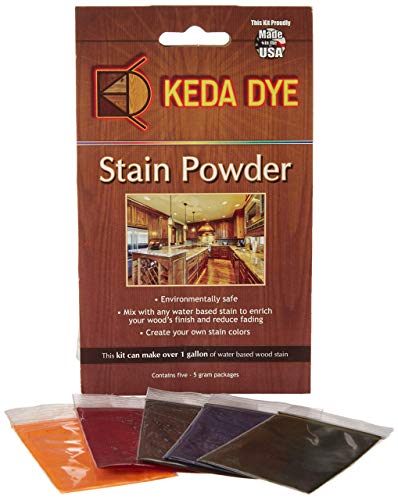
This kit provides 5 color options per kit, offering vibrant woods tones, including oak-inspired hues. It’s eco-friendly and designed for wide color versatility, making it a good choice for experiments and craft projects requiring multiple shade variations.
Who it is best for: artists and hobbyists who want a range of oak-like colors in powder form for customization. Why selected: flexibility to mix and adjust tones; may require more handling time to dissolve powders. Caution: follow mixing instructions to avoid inconsistent color and ensure even application.
Buying Guide: Light Oak Wood Dye Essentials
- Wood type and prep: For best results, start with bare, sanded wood. Finish compatibility matters; stains may not adhere well to sealed or glossy surfaces.
- Water-based vs solvent-based: Water-based stains deliver lower odor, quicker drying, and easier cleanup—ideal for indoor use and eco-friendly projects. Solvent-based options may offer deeper penetration in certain woods, but with stronger fumes.
- Opacity and grain visibility: Light oak tones benefit from stains that emphasize grain while adding warmth. If grain visibility is essential, choose products that advertise “grain visible” or “enhances grain.”
- One-coat coverage vs multiple coats: Some finishes provide full color in one coat; others require layering to achieve depth. Plan accordingly to avoid over-darkening or uneven spots.
- Finish compatibility: After staining, consider top coats (sealants, varnishes) that won’t alter the hue too much. Test samples on scrap wood when possible.
- Safety and odor: For indoor spaces, low-odor, non-toxic formulas reduce exposure during application and curing.
FAQ
- What is the best stain for light oak with visible grain?
Stains marketed as grain-enhancing and light oak tones, such as light oak and white oak variants, are typically best for visible grain while maintaining a pale base color.
- Should I seal the wood after staining light oak?
Yes. Apply a compatible top coat after the stain dries to protect the finish and preserve color. Test a sample before full application.
- Are water-based stains safer for indoor use?
Generally yes. They tend to have lower odor and lower VOC content than solvent-based stains, making them more suitable for indoor spaces.
- Can I apply multiple coats to darken the oak shade?
Yes, additional coats can deepen the tone, but the color depth depends on the wood’s porosity and the stain’s formulation. Allow full drying between coats.
- Is a dye kit useful for oak projects?
Absolutely. Dye kits provide color versatility and allow you to craft custom oak-inspired shades across different projects.