If you’re shopping for a low G tin whistle, you’re looking for a blend of durable construction, easy playability, and a tone that suits folk and Irish music. This guide highlights five well-regarded options, explains who each is best for, and helps you compare key features side by side. Whether you’re new to tin whistles or upgrading, these picks emphasize build quality, tuning stability, and tone across a range of budgets.
| Product | Key Benefit | Best For |
|---|---|---|
| Tony Dixon Alloy Low G Whistle | Sturdy alloy body with tunable polymer head | Players seeking durability and tuning adjustability |
| Rayzm Tin Whistle (Aluminum, G Key) | Warm, rich tone; beginner-friendly with smooth finger holes | First-time players and practice sessions |
| Generation G-18G Tin Whistle | Classic England-made brass construction; bright tone | Traditionalists and performers |
| MK Kelpie Low D/Wide Range | Premium aluminium with precise tolerances; durable | Intermediate to professional players seeking consistency |
| Tony Dixon TB012D Traditional Polymer Low D | ABS head; tunable, robust for travel | Travelers and beginners needing rugged reliability |
Tony Dixon Alloy Low G Whistle

The Tony Dixon Alloy Low G Whistle combines a sturdy alloy body with a tunable polymer head, delivering a reliable and responsive playing experience. This hybrid design aims to provide a brighter edge with good projection while maintaining a robust construction for daily practice. Best for players who want a long-lasting instrument that can be tweaked for precise intonation. A potential limitation is that tuning adjustments may require careful handling to maintain long-term stability.
Best for: players who want a durable, tunable low G with a traditional feel. Why selected: Tony Dixon is known for British-made flutes and whistles, offering consistent quality across practice sessions and gigs. Caution: tuning adjustments should be performed gently to avoid head or body damage over time.
Rayzm Tin Whistle/G Key G Alto (Aluminum)
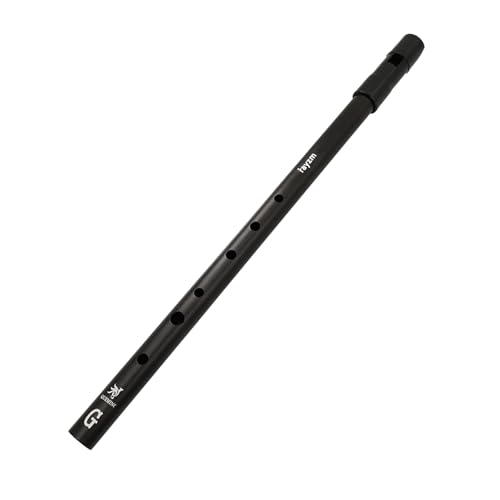
The Rayzm Tin Whistle in G key features a durable black aluminum alloy body and a smoothly finished set of finger holes designed to reduce air leakage. This makes it easier for beginners to control tone and intonation. The whistle offers a warmer, deeper tone compared with higher-pitched models, making it suitable for Celtic and traditional folk melodies. Note that while durable, this model is not tunable, which may matter for players who prioritize exact pitch stability over time.
Best for: beginners seeking a stable, comfortable beginner instrument with a rich tone. Why selected: strong build, comfortable finger holes, and a traditionally warm timbre suit early practice and simple tunes. Caution: lack of tunability could be an issue for players chasing precise, long-term intonation.
MK Kelpie Low D Whistle – Non-Tunable Aluminum

The MK Kelpie Low D Whistle is precision CNC-machined in Scotland from a single piece of high-grade aluminum with a black anodised finish. It is non-tunable, but its tight tolerances and carefully tuned air channel help deliver a consistent tone across both octaves. Best for players who want a long-lasting, professional-grade instrument with a strong, even tone. Choose this if you value durability and consistent response over on-the-fly tuning adjustments. Limitation: non-tunable design means you can’t fine-tune pitch after purchase.
Best for: players seeking a premium, consistent Low D experience with durable construction. Why selected: the UK-made craftsmanship and precise machining contribute to reliable performance in varied playing situations. Caution: non-tunable design may disappoint if you need pitch adjustments on the fly.
Tony Dixon TB012D Traditional Polymer Low D

This Tony Dixon TB012D features a durable ABS polymer head and is tuned to the Low D key, offering a stable, tunable playing experience in a rugged package. It is a practical choice for students, travelers, and players who need a whistle that can withstand regular transport. The main limitation is that the ABS head, while durable, may not provide the same nuanced tonal character as metal bodies for some players.
Best for: beginners and travelers needing a hardy, tunable Low D. Why selected: combines functional tuning with a resilient head, suitable for practice and gigs. Caution: the polymer head can feel less premium to players seeking a more traditional metal sound.
Generation G-18G Tin Whistle (Nickel Plated)

The Generation G-18G Tin Whistle is a nickel-plated instrument crafted in England with a classic design. It offers a bright, clear sound and a traditional feel that appeals to both beginners and seasoned players. Best for: players who value authentic English-made construction and a lively tone. Caution: being non-tunable, it requires careful breath control to maintain pitch across registers.
Buying Guide: Key Purchase Considerations
What is your primary use? If you need a whistle for travel and rough handling, opt for a model with a durable head and body, such as poly or aluminum designs. For studio or stage playing, a resonant, tunable instrument can help with precise performance. Consider whether you prefer a warm, rich tone (common in G-key whistles) or a brighter lead-like sound (often found in brass or nickel-plated bodies).
Are you seeking tunability? Tunable models let you adjust pitch, which can be advantageous for ensemble playing or learning intonation. Non-tunable models tend to be sturdier and more predictable in tone but require careful breathing to stay in tune across octaves.
What is your skill level? Beginners typically benefit from comfortable finger holes, smooth edges, and a forgiving tone. Intermediate and advanced players may focus on response, sustain, and edge alignment, which more precisely machined or crafted instruments tend to deliver.
What is your budget? Price often reflects materials, craftsmanship, and tuning systems. Higher-priced options frequently offer better build quality and consistent tonal output across the instrument’s range. Yet many affordable models provide solid playability for new players or casual practice.
FAQ
- What is the difference between low G and low D tin whistles? Low G whistles generally produce a brighter, higher-pitched response than low D whistles, which tend to offer a deeper, fuller tone across two octaves. The choice depends on repertoire and comfort with finger placement.
- Do tunable whistles require maintenance? Yes. Tunable heads and joints should be checked for stability, and the head should be reseated carefully after tuning to preserve a good seal.
- Is aluminum or brass better for a tin whistle? Aluminum is durable and lightweight, making it common in student and travel models. Brass (nickel-plated or otherwise) can offer a brighter tone and richer sustain, often preferred by performers.
- Can beginners use non-tunable whistles effectively? Yes. Non-tunable whistles can be simpler and more robust for daily practice. They require consistent breath control to stay in tune, especially in higher octave ranges.
- What should I look for in finger holes? Smooth, well-rounded finger holes improve comfort and reduce air leakage, helping accurate pitch and easier playability for beginners.
- Is scale and intonation consistent across brands? In well-made instruments, intonation is generally consistent within each instrument. Differences may occur between brands due to design and tolerances; testing in person or reading reviews can help.