Metal detectable bandages are essential for food handling environments. This guide highlights five top options designed to be easily found by metal detectors and clearly visible to staff. Each product is aimed at professional kitchens, food processing, or any setting where hygiene and quick detection matter. The selections favor high visibility, durable materials, and reliable adhesion. Read on to identify which bandages fit your workflow, and use the buying guide to compare features like visibility, size, material, and detectability.
| Product | Best For | Why It Stands Out |
|---|---|---|
| CURAD Food Service Metal Detectable Blue Fabric Adhesive Bandages | Food service pros needing blue visibility | Visible blue color with hidden metal detectable layer for quick scanning |
| Geiserailie 400 Pcs Blue Metal Detectable Bandages | Bulk needs in large kitchens | High visibility, flexible and durable PE material |
| Detectaplast Blue Bandaids Superstretch | Flexible, latex-free fit | Blue color plus aluminum strip for metal detection and comfort |
| First Aid Only 1-658 Plastic Bandages, Blue Metal Detectable | Structured kits in food environments | Internal foil for metal detection and bright blue finish |
| American White Cross First Aid Blue Fabric Metal Detectable Strip | Industry-specific visibility | Blue fabric with detectable metal under the pad |
CURAD Food Service Metal Detectable Blue Fabric Adhesive Bandages

The CURAD bandages feature a bright blue color for quick location on work surfaces and skin. A hidden metal element behind the nonadherent pad enables easy detection by metal detectors used in food processing. The adhesive is designed for long-lasting wear, supporting busy service environments. Best for food service workers who need reliable visibility and detection in fast-paced kitchens. Caution: ensure surfaces are clean to maximize adhesive performance in high-humidity tasks.
Geiserailie 400 Pcs Blue Metal Detectable Bandages

These 1 x 3 inch bandages are highly visible in bright blue to help staff locate them quickly during handling and processing. The flexible PE waterproof material provides durability while keeping wounds protected and breathable. They suit multiple body parts and are designed for the food service environment. Best for bulk needs and quick replacement in busy kitchens. Limitation: larger packages may be more than needed for small teams.
Geiserailie 200 Pcs Blue Metal Detectable Bandages
This pack mirrors the 3 x 1 inch blue bandage design for efficient coverage of minor wounds, with quality materials that support breathable, durable wear. The blue color aids visibility and the metal-detectable feature helps confirm product compliance in production lines. Best for smaller teams or staggered restocking. Caution: may require frequent checks in high-traffic areas to ensure no bandages go missing.
Detectaplast Blue Bandaids Superstretch

Detectaplast offers metal detectability through a blue design and an aluminum strip. The bandages are flexible, latex-free, and constructed from comfortable elastic textile for movement. Best for workers needing flexible coverage and easy removal in food handling. Limitation: aluminum strip may be less detectable in certain detector systems; verify compatibility with your equipment.
First Aid Only 1-658 Plastic Bandages
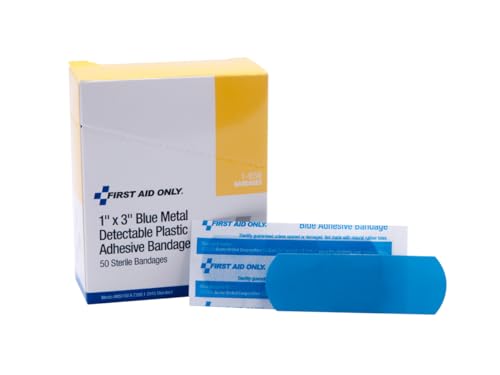
These 1 x 3 inch bandages include an internal foil designed to support quick metal detection, with a bright blue finish for easy visibility. Ideal for standardized, kit-based workflows in food-related facilities. Best for kit-based environments and where metal detection is a routine step. Caution: foil within may affect some detector sensitivity if not properly positioned over the wound pad.
American White Cross First Aid Blue Fabric Metal Detectable Strip

American White Cross emphasizes industry-specific use with a blue fabric bandage and a detectable metal layer under the pad. This design supports visibility in busy food processing environments and reliable detection during scanning procedures. Best for teams needing a fabric-based option with metal detectability. Limitation: fabric bandages may be less suited for extremely wet conditions compared to waterproof variants.
Buying Guide: Key Purchase Considerations
What size and shape do you need? The common 1 x 3 inch (3.8 x 7.6 cm) size fits most minor wounds and fingers, while larger or fingertip shapes are available for broader coverage. Consider the work area and whether waterproof or breathable materials are preferred for comfort and hygiene.
Is blue color essential? Blue is widely used for quick visual spotting and to satisfy food industry hygiene standards. It also helps distinguish bandages from skin or normal packaging in busy environments.
How important is metal detectability? In high-risk processes, metal-detector compatibility is critical. Look for a detectable layer or foil behind the pad, and verify that your detectors respond to the material used in the bandage packaging.
What material suits your environment? PE waterproof materials provide durability and moisture resistance, while fabric or breathable plastics offer comfort and skin-friendliness during movement. Latex-free options reduce allergy concerns for staff.
What is the best for bulk needs? In large kitchens or manufacturing lines, bulk packs reduce replenishment time. Consider total pieces per pack and the cost per unit to optimize stock management without compromising safety.
FAQ
- Why are metal detectable bandages blue? The blue color aids quick visual location, while the detectable metal ensures integration with metal detectors to prevent contamination.
- Can these bandages be used outside food handling? Yes, they are suitable for first-aid use in various settings, but they are designed with food safety in mind.
- Are these latex-free options available? Several listings mention latex-free constructions for staff comfort and allergy considerations.
- What sizes do these come in? Common sizes include 1 x 3 inches; some packs offer multiple styles or larger coverage for fingertips or knuckles.
- Do all detectors pick up the metal in these bandages? Detector sensitivity varies; verify with your specific equipment and consider choosing products explicitly labeled as detectable by your detectors.