The best Mexican bird of paradise choice depends on whether you want an established shrub, a small starter plant, or seeds to grow yourself. The five options below include a larger potted plant for a quicker landscape feature, live young plants for gardeners who want a transplantable start, and seed packets for growing multiple plants. These listings are for Mexican bird of paradise, also called Caesalpinia pulcherrima—not the unrelated tropical bird of paradise commonly grown as a houseplant.
| Product | Best For | What to Know |
|---|---|---|
| BEAR 5-gallon plant | A more established landscape shrub | Listed at 2–4 feet tall |
| KVITER seeds | Starting plants from seed | Listing cites USDA zones 8–11 |
| SVI 25 seeds | Growing several plants | Feature details are limited |
| Orange Bird starter plant | Transplanting a young plant | Listed at 6–10 inches tall |
| Red Bird starter plant | A small live plant with yellow blooms | Listing describes a 5–10-inch plant |
BEAR 5-Gallon Mexican Red Bird of Paradise

This is the best option for gardeners who want a larger plant rather than starting with seeds or a small seedling. The listing describes a 5-gallon plant, 2–4 feet tall, with red-orange and yellow flowers. It may suit a sunny garden border or focal point where there is room for a shrub to mature.
The listed mature size is 6–10 feet tall and wide. It thrives in full sun and well-draining soil, and the listing says it is drought-tolerant once established. Choose this if a more developed plant and detailed growing guidance are priorities. Allow substantial space for its stated mature spread.
KVITER Red Bird of Paradise Seeds

These seeds are best for gardeners who want to grow Mexican bird of paradise from the beginning rather than receive a live plant. The listing identifies the plant as Caesalpinia pulcherrima and describes red-orange blooms. It also presents the shrub as heat-tolerant and suited to USDA zones 8–11.
Choose this packet if you are comfortable raising plants from seed and want the possibility of growing more than one shrub. The listing describes flowering from spring to fall, but seed-grown plants require growing time before they reach flowering size. Avoid this option if you need an established shrub or immediate color.
SVI Mexican Red Bird of Paradise Seeds

This listing offers 25 seeds and is best for buyers looking to start multiple plants or experiment with growing from seed. Its stated feature is red and yellow blooms, which aligns with gardeners seeking the bright flower colors associated with Mexican bird of paradise.
The product information provided does not include growing conditions, expected germination timing, or plant size. Choose it if the seed count and flower colors are the main factors in your decision. Because care details are limited, gardeners who need specific cultivation instructions may prefer a listing with more growing information.
Orange Bird Live Starter Plant
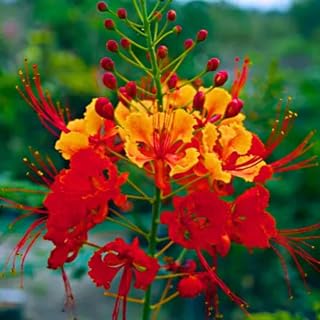
This well-rooted starter plant is best for gardeners who want a live plant to transplant but do not need a large shrub immediately. The listing says it is 6–10 inches tall, shipped in a pot, and suitable for outdoor growing in warm climates. It describes mature flowers as vibrant red and orange.
The listed light preference is full sun to partial sun. Choose this if you want a smaller live start and can give it time to grow. The listing does not state a mature size or hardiness zone, so check local growing conditions before choosing an outdoor planting location.
Red Bird of Paradise Live Plant

This listing is best for buyers seeking a small live plant rather than seeds. The product name gives a height range of 5–10 inches, while its features describe clusters of bright yellow flowers and a spring-through-fall blooming season in warm climates. That flower description is more specific than the product name, so confirm that yellow blooms match your preference.
The listing says the plant thrives in full sun and needs minimal watering once established. Choose it if you want a compact live start and those stated growing conditions fit your garden. Its small listed size means it is not a substitute for a mature landscape shrub.
Buying Guide: How to Choose a Mexican Bird of Paradise
Should you buy seeds or a live plant?
Seeds are a practical choice when you want to grow plants from an early stage or are interested in raising several shrubs. A live plant is better if you prefer to skip germination and begin with an established root system. For a more immediate landscape presence, the BEAR listing is the largest option in this group; the other live listings are small starter plants.
How much sun and space should you plan for?
The BEAR listing recommends full sun and well-draining soil, and describes a mature shrub 6–10 feet tall and wide. The Orange Bird starter listing allows full sun to partial sun. The Red Bird listing recommends full sun. Follow the care information for the particular plant you select, and leave enough room for its expected mature size.
What should you check before ordering?
- Plant form: Confirm whether the listing is for seeds or a live plant.
- Size: Compare the stated height with your plans for a container, border, or garden focal point.
- Flower color: Listings describe red-orange, red-yellow, or yellow blooms; check the individual description.
- Climate: One seed listing cites USDA zones 8–11. The other product details do not provide a zone range.
- Care details: Look for sunlight, soil, and watering information rather than assuming every listing includes the same guidance.
Frequently Asked Questions
Is Mexican bird of paradise the same as tropical bird of paradise?
No. Mexican bird of paradise in these listings is Caesalpinia pulcherrima. It is different from the tropical bird of paradise plant commonly associated with Strelitzia.
Does Mexican bird of paradise need full sun?
Several listings recommend full sun. The Orange Bird starter listing also says full sun to partial sun. Follow the directions supplied for the specific plant you buy.
Can Mexican bird of paradise tolerate drought?
The BEAR plant and Red Bird plant listings describe drought tolerance or minimal watering once established. That guidance does not mean a new plant needs no water while it is getting established.
Which option is best for a faster garden display?
The BEAR 5-gallon plant is the largest listed option at 2–4 feet tall. The starter plants are listed at 5–10 inches or 6–10 inches, and seeds need to be grown before they become shrubs.
What flower colors are described?
Product descriptions mention red-orange, red and yellow, or bright yellow flowers. Check the individual listing because the color details vary by product.