For painters, conservators, and hobbyists alike, maintaining the brilliance of oil paintings requires reliable cleaning and restoration tools. This article highlights top oil painting cleaning kits and brush cleaners that help remove surface dirt, revive luster, and extend the life of artworks. Each option below offers different benefits, from gentle brush maintenance to more thorough varnish and surface care. Use this guide to compare products and choose the right kit for your studio needs.
| Product | Brand | Primary Use |
|---|---|---|
| Kotton Klenser Oil Painting Restoration Kit | Kotton Klenser | Restoration and luster restoration |
| Winsor & Newton Artists’ Picture Cleaner | Winsor & Newton | Vacant varnish and surface dirt removal |
| The Masters Brush Cleaner and Preserver | GENERAL’S | Brush cleaning and conditioning |
| U.S. Art Supply Brush Cleaner and Restorer | U.S. Art Supply | Restores dried-on paints on brushes and tools |
| Grumbacher Oil Painting Restorer | Grumbacher | Surface cleaning for finished oil paintings |
Kotton Klenser Oil Painting Restoration Kit

The Kotton Klenser kit is designed to clean and restore luster to oil paintings. Its formula targets surface residues and oxidation by-products that dull a painting’s appearance. While the kit is marketed for restoration, users should assess the work’s condition and consider professional guidance for any varnish or multi-layered components. This option suits studios seeking a dedicated restoration toolkit rather than routine cleaning alone.
Winsor & Newton Artists’ Picture Cleaner

This cleaner uses a natural resin/oil emulsion containing ammonia to dissolve linseed oil oxidation and remove surface dirt and varnish by-products. It is designed for varnished paintings and should be used with care, especially on older works where removal of old varnish may be needed. A competent restoration approach is advised for pieces with delicate textures or extensive varnish layers.
The Masters Brush Cleaner and Preserver
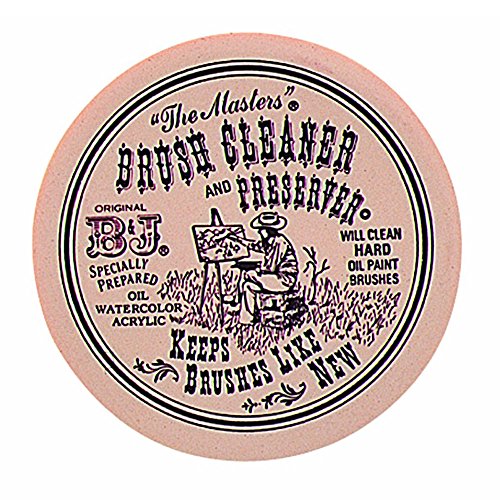
Though marketed for brushes, this product is widely trusted by artists for thorough cleaning of oil and acrylic brushes and for preserving synthetic or natural bristles. It helps remove dried paints and restores brush performance, reducing fraying and stiffness. It’s a practical companion in any oil painting workflow that relies on well-maintained brushes for ongoing work and refinements.
U.S. Art Supply Brush Cleaner and Restorer

This 16-ounce cleaner is designed to remove dried-on acrylics, oils, and water-based paints from brushes and airbrushes. It’s positioned as a versatile solution for artists who reuse brushes across multiple mediums, helping to extend tool life and maintain clean paint-transfer surfaces. It’s particularly useful when frequent brush cleaning is part of the oil painting workflow.
Grumbacher Oil Painting Restorer
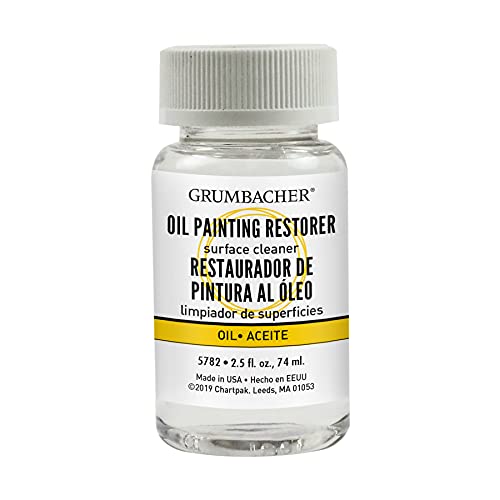
Grumbacher’s restorer is a surface cleaner designed for completed or dried oil paintings. It aims to revive the surface by removing soil and surface oxidation. Use with care on highly textured surfaces, avoiding aggressive application in grooves or crevices, to prevent unintended damage to the artwork’s texture and integrity.
Gamblin Oil Painting Must Haves Set

Gamblin’s set emphasizes essential mediums for oil painting workflows, including trial-sized versions of refined linseed oil and other mediums. While not strictly a cleaning kit, it complements restoration and painting processes by providing compatible mediums for preserving brushwork and finish after cleaning. It offers value for studios that want reliable, compatible products from a trusted oil paint brand.
Buying Guide
Key purchase considerations help ensure you choose the right cleaning solutions for oil paintings and related tools. First, identify the painting’s condition: new dirt, surface grime, or varnish oxidation all require different approaches. For varnished surfaces, cleaners designed to dissolve surface residues without harming underlying layers are essential. When old varnish or fragile textures exist, professional assessment or a conservator consultation is advised.
Second, consider material compatibility. Brushes and tools should be matched with cleaners that preserve bristles, prevents stiffness, and extend tool life. Non-toxic or low-odor formulas may be preferable in small studios or shared spaces, reducing health risks and ventilation needs. However, some restoration tasks may require stronger solvents used with caution and protective equipment.
Third, evaluate ease of use and batch workflow. Kits that combine a cleaner with conditioning agents for bristles streamline routine maintenance, while separate products may offer greater control for delicate restorations. For artists who work across mediums, multi-purpose cleaners that work on brushes and tools can simplify storage and usage.
Fourth, safety and storage are important. Proper containment, away from direct sunlight, and clearly labeled bottles help prevent accidental misuse. If varnish stripping or heavy oxidation is anticipated, ensure you have appropriate safety gear and follow manufacturer instructions to avoid damage to artwork or surfaces.
Fifth, price and availability matter. While some kits are specialized and priced for professional conservators, others provide economical options suitable for hobbyists. Consider long-term value, such as brush longevity and reusability of cleaners, to justify initial cost.
In sum, select cleaning and restoration products that align with your painting materials, the painting’s condition, and your studio workflow. A balanced mix of brush care, surface cleaners, and, when appropriate, restoration agents can help maintain the integrity and appearance of oil paintings over time.