Answering the top questions about puppy nutrition and feeding gear, this guide highlights five practical options for feeding newborns and young puppies. Ideal for orphaned or nursing puppies, or pups transitioning from formula to solids, these picks emphasize easy digestion, proper nutrition, and adaptable bottle feeding. The products work well for caregivers seeking ready-to-use formulas or versatile nursing kits that grow with a puppy’s needs.
| Product | Best For | Key Benefit |
|---|---|---|
| PetLac Puppy Milk Replacement | Orphaned or newborn puppies | Complete nutrition with prebiotics and probiotics for easy digestion |
| Hartz Powdered Puppy Milk Replacer | Puppies needing quick-mix formula | Matches mother’s milk closely; quick-mix with calcium and vitamins |
| Esbilac Puppy Milk Replacer Liquid | Newborn to six weeks old puppies needing ready-to-feed option | High palatability; balanced nutrition close to mother’s milk |
| NOVYQREN Nursing Kit | Newborns requiring precise feeding and multiple nipple sizes | All-in-one kit with precise syringes and biomimetic nipples |
| Lixit Nursing Bottle Kit | Puppies and other small pets needing reliable feeding bottles | Complete nursing bottles with measured capacity and easy grip |
PetLac Powder For Puppies — 10.5 Oz

Brand: PetAg
Features: Puppy milk replacement providing complete nutrition for newborn to six weeks old puppies. Contains vitamins, minerals, and amino acids. Easy to digest with prebiotics and probiotics for gut health.
Best for: Caregivers needing a ready-to-make formula that closely mimics maternal milk for orphaned, rejected, or weaning puppies. Limitations: Powder form requires accurate mixing and proper storage after preparing.
Hartz Powdered Puppy Milk Replacer — 12 Oz
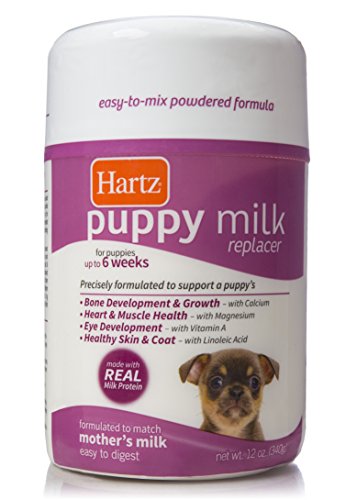
Brand: Hartz
Features: Quick-mix powder designed to match a mother dog’s milk; calcium for bones; magnesium for heart and muscle health; vitamins for eye development; linoleic acid for skin and coat.
Best for: Quick, on-demand feeding with a straightforward preparation. Limitations: Formula is a powder; needs accurate mixing to ensure nutrition balance.
Puppy Kitten Bottle for Nursing Kit — 60ml

Brand: FJNATINH
Features: 60ml nursing bottle with 1ml, 3ml, 5ml, 10ml replaceable syringes; multiple nipple sizes; soft silicone nipples to protect gums; designed for newborn kittens and puppies.
Best for: Caregivers needing a flexible bottle set that grows with the animal’s feeding needs. Limitations: Not a complete formula; dependent on separate nutrition sources for the diet.
Puppy Kitten Nursing Bottle 4oz — UMETASS
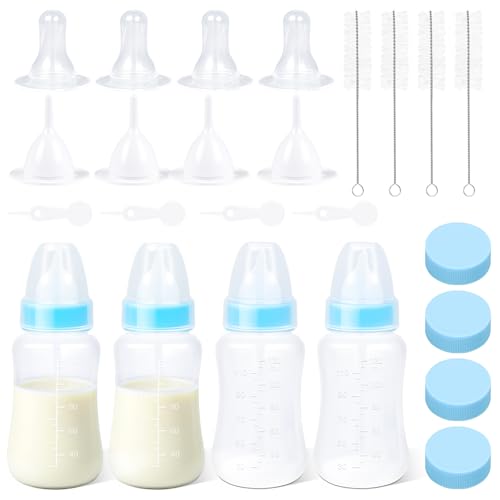
Brand: UMETASS
Features: Safe, food-grade silicone or BPA-free plastic; silicone nipples mimic a mother’s teat; heat-resistant to warm formula without distortion; adaptive nipple design with multiple sizes to support growth.
Best for: Caregivers seeking a bottle kit that accommodates multiple stages of growth. Limitations: Bottle alone requires separate formula or liquids for feeding.
PetAg Esbilac Puppy Milk Replacer Liquid — 11 Oz

Brand: PetAg
Features: Ready-to-feed puppy formula; designed for newborn to six weeks old; close to mother’s milk in protein, fat, and carbohydrates; includes vitamins, minerals, and trace nutrients; formulated for easy digestion with a special fiber blend.
Best for: Caregivers preferring a liquid, ready-to-feed option with minimal preparation. Limitations: Liquid format may require storage after opening and careful temperature control.
Buying Guide
What should you consider when buying puppy formula or bottle feeding gear?
- Feeding stage: Newborns, early-wean puppies, or growing puppies may need different formulas or kit configurations. Look for products labeled for newborn to six weeks or adjustable nipples for growth stages.
- Nutrition balance: Choose formulas with balanced protein, fats, carbohydrates, vitamins, and minerals. Some include prebiotics/probiotics for gut health.
- Preparation vs ready-to-feed: Powdered formulas require mixing; ready-to-feed liquids are convenient but may be less economical. Bottles and nipples should suit the pet’s mouth size and feeding pace.
- Digestive compatibility: If a puppy has sensitive digestion, seek formulas designed for easy digestion or with fiber blends that support gut health.
- Feeding accessories: A complete nursing kit with syringes, multiple nipple sizes, and measurement tools helps tailor feeding to weight and age.
- Safety and materials: Look for BPA-free plastic or food-grade silicone nipples. Heat resistance matters for warming formulas safely.
Practical Considerations
- Storage: Powder formulas should be kept sealed and in a cool, dry place; liquids require refrigeration after opening.
- Preparation accuracy: For powders, measure precisely to maintain nutrition; over- or under-concentration can impact growth and health.
- Cross-use caution: When combining bottles and formulas, maintain clean hygiene to prevent contamination.
FAQ
- What is the best option for a newborn puppy with no mother?
– Ready-to-feed liquids like Esbilac can be convenient for immediate use, while powders like PetLac require mixing but offer flexibility and longer shelf life. - Can I use human baby formula for puppies?
– No. Puppy formulas are specifically balanced for canine nutrition and should be used unless advised by a veterinarian. - How do I know which nipple size to choose?
– Start with the smallest nipple and adjust based on the puppy’s ability to latch and feeding pace; larger puppies may need bigger nipples. - How long can I store prepared formula?
– Prepared formula should be used within the time specified by the manufacturer, and any leftovers should be discarded. - Are nursing bottle kits suitable for multiple small animals?
– Yes. Kits with multiple nipples and syringes are versatile for different sizes and species, including puppies and kittens. - Is it necessary to consult a vet for a newborn puppy?
– If the puppy is orphaned or showing signs of illness, consult a veterinarian for feeding guidance and health assessment.