Red gerbera daisies bring bold color, eye-catching blooms, and cheerful charm to any space. This guide highlights five practical options for American gardeners and decorators, focusing on plants, seeds, and realistic artificial alternatives to suit varied needs. Whether you want a perennial garden bed, container display, or long-lasting faux arrangements, these selections are chosen for easy growth, vibrant color, and reliable performance. The top picks include seeds that grow into true red blooms, plus livelier artificial choices for year-round color. Ideal buyers range from home gardeners with limited space to event planners seeking low-maintenance, lasting decor.
Below is a quick summary table of the selected products, including best-use cases and who each option suits best.
| Product | Best For | Why It Stands Out |
|---|---|---|
| Outsidepride Red Gerbera Seeds | Garden beds, pots, and cut flowers | Vibrant red blooms, compact growth, extended bloom season |
| CarpetC 300+ Gerbera Daisy Seeds | Small spaces, borders, containers | Large blooms on compact plants, repeat blooms in warm zones |
| BuggyBeds Gerbera Daisy Seeds | Colorful mixed garden beds | Vivid mix options, fast growth, strong bulk seed option |
| IPOPU Daisies Artificial Flowers | Decor, events, long-lasting faux arrangements | Realistic look, maintenance-free, bendable stems |
| Red Artificial Gerbera Daisy Bush | Indoor arrangements, seasonal décor | 9 red blooms, ready-to-use display |
Outsidepride Red Gerbera Seeds

Best for: Gardeners with small to medium-sized spaces who want true gerbera growth from seed. Why selected: These seeds promise vibrant red blooms with mounded foliage that remain compact, reaching 8-10 inches tall with 4-5 inch flowers. They suit beds, containers, and even cutting gardens due to their bold color and manageable size. This option is ideal for homeowners who prefer a perennial-style effect by sowing seedbeds and enjoying repeated blooms each season where climates are suitable.
Key features include a long bloom season from late spring to late summer and a relatively quick first display—about 14 weeks from sowing. A potential caveat: growth and flowering can depend on climate and seed viability; ensure your planting windows align with USDA zones 8-11 for best results. Overall, best for those who want a cost-effective, color-rich starter that can transform borders or patio pots.
Who should avoid: If you need guaranteed perennial performance in cooler zones or require established plants right away, starting from seed may take longer than transplanting established seedlings. This option best serves gardeners who enjoy seasonal sowing and color repetition without high maintenance.
CarpetC Gerbera Daisy Seeds, 300+

Best for: Garden borders, containers, and compact beds where space is at a premium. Why selected: These seeds promise 3-4 inch blooms atop neat 8-12 inch tall plants. The foliage forms tight clumps, ideal for edging or edging borders while providing a high-impact bloom. The plant’s compact habit makes it a good fit for small city gardens and balcony pots that still desire bold color.
Key features highlight late-spring to summer blooms with potential repeat flowering in favorable conditions. In zones 8-11, the plants may return annually; elsewhere, treat as an annual. A caution: as with many seed varieties, performance hinges on climate and soil conditions. This option is better for gardeners who want a sharp, consistent display with easy-to-manage plant size and reliable cut-flower potential.
Who should choose this: Choose this if you want a visually striking plant that fits tight spaces and provides quick, sizable blooms for both garden design and fresh-cut arrangements.
Gerbera Daisy Seeds by BuggyBeds
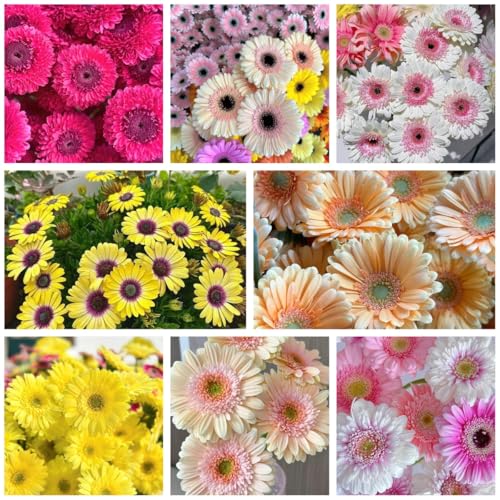
Best for: Gardeners seeking a mixed color option and robust seed quantity. Why selected: This seed packet offers a vibrant mix of colors including red, delivering a lively garden palette. Plants reach about 10-14 inches tall with blooms around 3.5-4 inches, making them suitable for borders, containers, and decorative beds. The compact height and strong stems support visually dramatic displays without overwhelming nearby plantings.
Growth and bloom timing: expect blooms from late spring to early fall with fast growth to fill space in your design. This option is well-suited for those who enjoy seasonal color shifts and want to produce cut flowers that last in arrangements. Limitation: color consistency can vary with seed lots and growing conditions. Best for budget-conscious gardeners who want volume and color variety.
Who should avoid: If you prefer single-color, tightly controlled plantings or worry about seed-to-bloom uniformity, consider a single-color seed choice or starter plants instead.
IPOPU Daisies Artificial Flowers

Best for: Event decorators, seasonal displays, and low-maintenance home décor. Why selected: This set includes 20 artificial gerbera daisies with a realistic look and a bendable stem. They can be arranged into bouquets or centerpieces and used year after year without water or sunlight needs. Artificial daisies are ideal for venues that require consistent color and quick setup.
Key advantages: The faux daisies use soft PU material with silk-like petals, and stems are wired for easy shaping. They are durable for repeated use in weddings, offices, and home décor. Limitation: artificial flowers do not provide the growing experience or scent of real plants and require storage space when not in use.
Who should choose this: Choose these if you need immediate color that lasts, minimal maintenance, and reusable decor for events or busy spaces where live plants may not be practical.
Red Artificial Gerbera Daisy Bush

Best for: Busy households and large-scale décor projects where a finished look is desired without maintenance. Why selected: This gerbera daisy bush features nine vibrant red blooms on an 18-inch stem, offering a ready-to-display option for spring and summer arrangements. It is a practical choice for quick setup in living rooms, reception areas, or event spaces.
Limitations: As an artificial product, it lacks the growth dynamics and tactile presence of live plants, and color brightness can fade with prolonged direct sunlight. Consider placement away from intense sun for longer color life. This option is ideal for designers or planners who need consistent, immediate color without ongoing care.
Buying Guide
- Live plants vs. artificial: Decide if you want true growth and scent from seeds or a maintenance-free option for year-long color. Seed products require growing time, soil, sunlight, and water; artificial options require storage and occasional cleaning.
- Space and climate: For seeds, verify USDA zones and space availability. If you have limited sun, choose compact cultivars or planters; for cooler zones, seeds may need season extension or indoor starts.
- Bloom duration and maintenance: Seeds promise longer-term garden value with seasonal blooms. Artificial daisies provide instant color but do not grow or adapt to conditions.
- Bloom size and plant height: Consider the contours of your space. Larger blooms (3.5-4 inches) on compact plants create dramatic focal points; smaller, dense clumps suit borders and edging.
- Use case: For cutting gardens, select seed varieties with sturdy stems and long vase life. For décor, artificial options deliver consistent color and require little care.
FAQ
- Are red gerbera daisies easy to grow from seed?
Yes, when planted in well-drained soil with adequate sun, but germination and bloom times vary by climate and seed quality. - What climate zones are best for gerbera seeds?
Zones 8-11 typically support perennial-like growth; in cooler zones, treat them as annuals or start indoors. - Can I grow gerbera daisies indoors?
Yes, with bright light, good airflow, and appropriate containers. Ensure proper watering and drainage. - Do artificial gerbera daisies fade in sunlight?
Some fading can occur with prolonged sun exposure; place them away from direct, intense sunlight when possible. - Which option offers the quickest color for a project?
Artificial daisies provide immediate color and arrangement-ready results, ideal for events or décor needs. - Can I use seed varieties for cutting flowers?
Yes, many gerbera seeds produce sturdy stems suitable for vases and arrangements, though vase life and bloom quality depend on fresh cut conditions.