When you need a food-grade silicone oil or grease, look for products that are NSF H1 certified, odorless, and stable across a wide temperature range. This guide highlights five reliable options suitable for kitchens, food processing, plumbing, and equipment with incidental food contact. Each pick is best for specific needs—from general lubrication of machinery and O-rings to sealing and waterproofing in wet environments. The buyer types covered include kitchen maintenance pros, hobbyists working with food-grade equipment, and professionals maintaining industrial-grade seals.
| Product | Best For | Key Benefit |
|---|---|---|
| Super Lube Silicone Oil High & Low Temp CST | Machinery and automotive parts with food-contact surfaces | Wide temperature stability and long-lasting protection |
| KEZE Waterproof Food Grade Silicone Lubricant | Valve seals, faucets, O-rings, and pool gear | Waterproof, odorless, colorless, safe for drinking water |
| Verdana Food Grade Lubricant Oil | Meat slicers, grinders, and kitchen equipment | Petroleum-free and NSF H1 certified |
| Super Lube O-Ring Silicone Lubricant | O-rings and gaskets in vacuum and automotive | Clear formulation with oxidation protection |
| Captain O-Ring NSF Food Grade Silicone Lubricant | Seals, gaskets, pumps, valves | High viscosity for easy adhesion and broad temp range |
Super Lube Silicone Oil High & Low Temp CST

Brand: Super Lube
Features: Versatile Temperature Stable Oil: This silicone oil delivers reliable performance as a low-temp and high-temp lubricant for automotive and machinery applications. Long-Lasting Resistant Oil: Oxidation resistant and hydrolysis resistant for bearings and moving parts. High Performance Wetting Oil: Medium viscosity at 5000 cSt, offering clear, clean coating for rubber, plastic, and metal surfaces.
Best for: Professionals needing a broad-temperature silicone oil for equipment with incidental contact to food or clean surfaces. This choice is ideal when you require a stable lubricant across a wide range of temperatures and long-lasting protection.
Why selected: It combines high temperature performance with good wetting properties, helping reduce wear on moving parts while maintaining food-safety aesthetics in clean environments.
Caution: As with all silicone oils, avoid long-term contamination of sensitive plastic components that may interact with low-viscosity fluids.
KEZE Waterproof Food Grade Silicone Lubricant

Brand: Keze
Features: NSF Approved: Food grade silicone grease that is odorless and colorless, not contaminating drinking water. Temperature stability from -40° to 400° F with no pigment for clean use. Multi-purpose: waterproofing on faucets, valve stems, bearings, gaskets, and O-rings; safe for nitrite rubber seals; reduces friction and provides long-lasting lubrication.
Best for: Plumbers and maintenance crews needing a versatile, water-resistant silicone grease for seals, valves, and O-rings in wet or damp environments.
Why selected: The combination of NSF H1 safety, odorless formulation, and wide temperature range makes it a practical all-around choice for water-exposed equipment and sanitary settings.
Caution: Odorless means it may be less noticeable if there is a leak—careful inspection is still recommended in critical systems.
Verdana Food Grade Lubricant Oil

Brand: Verdana
Features: Food Grade & NSF H1 Certified: Safe for incidental food contact; meets NSF H1 standards for equipment like meat slicers and mixers. Organic, Kosher, and Non-GMO: Coconut-derived ingredients; petroleum-free and free from GMOs. A petroleum-free alternative suitable for cutting boards, kitchen machinery, and other food-contact tools.
Best for: Food-service operations seeking a petroleum-free oil option for equipment lubrication with clear labeling and safety certifications.
Why selected: The organic and Kosher attributes plus NSF H1 certification address both safety and dietary compliance in professional kitchens.
Caution: Because this is coconut-derived, note potential sensitivity for very specific allergen considerations in some environments.
Super Lube O-Ring Silicone Lubricant
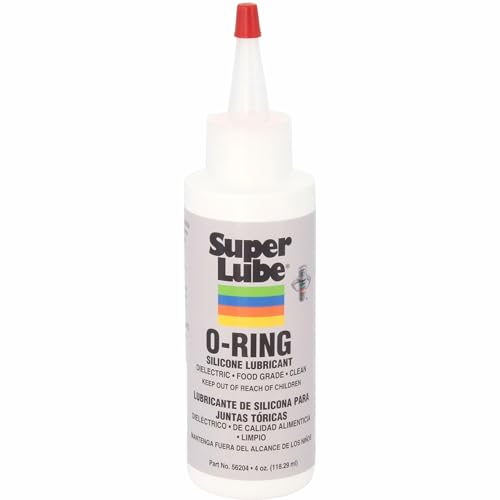
Brand: Super Lube
Features: Premium O-Ring Grease: Moisture-resistant silicone grease for long-lasting O-rings and gaskets. Vacuum Safe & Waterproof: Clear, non-curing silicone fluid for vacuum and automotive equipment. Heat Stable & Oxidation Protection: High-temperature silicone lubricant for automotive and scientific parts.
Best for: O-ring and gasket maintenance in wet environments or sealed systems where a clear, long-lasting silicone grease is desired.
Why selected: This product focuses on sealing components, offering protective lubrication that resists oxidation and water exposure, which is essential for gaskets and seals.
Caution: Use within recommended application areas to avoid over-application that could attract dust or debris in some configurations.
Captain O-Ring NSF Food Grade Silicone Lubricant

Brand: Captain O-Ring
Features: Multi-Purpose Silicone Lubricant Grease: For o-rings, gaskets, plumbing, pool, food service equipment, automotive, and valves. NSF H1 Certified Food Safe. Temperature range from -40°F to 400°F. High viscosity for easy adhesion and lasting lubrication; won’t harden or dry out.
Best for: Broad use around food-contact systems requiring reliable sealing and lubrication of O-rings and seals.
Why selected: Its wide temperature range and high-viscosity formulation make it a robust option for varied equipment in industrial and commercial kitchens alike.
Caution: The high viscosity may require more effort to disseminate in very small or precision components.
Buying Guide: Key Considerations for Food-Grade Silicone Oils and Greases
- Certification and safety: Look for NSF H1 certification and clear labeling that the product is odorless and colorless when used around food-contact surfaces.
- Temperature tolerance: Consider the operating temperature range of your equipment. Choose products that cover your minimum and maximum temperatures to avoid breakdown or inadequate lubrication.
- Viscosity and spread: Higher viscosity oils stay in place longer on seals, but lower viscosity variants spread more evenly on delicate surfaces. Match viscosity to the application.
- Material compatibility: Ensure the silicone lubricant is compatible with seals, O-rings, plastics, rubber, and metals present in your equipment.
- Water and oxidation resistance: For moist environments or equipment exposed to water, select waterproof and oxidation-resistant formulas to extend seal life.
- Petroleum-free options: If avoiding petroleum-based components is important, prioritize organic or coconut-derived formulations where offered.
- Application suitability: Some products are designed specifically for O-rings and gaskets, others for general machinery lubrication. Use the intended application to maximize effectiveness.
- Safety and handling: Follow manufacturer directions for storage and application; avoid contact with food products where not explicitly approved.
Frequently Asked Questions
- What does NSF H1 certification mean for silicone lubricants?
NSF H1 indicates the product is safe for incidental contact with food, making it suitable for equipment used in food processing and preparation.
- Can silicone oil be used on rubber O-rings and gaskets?
Yes. Many silicone lubricants are formulated to protect and lubricate rubber O-rings and gaskets without degrading materials.
- Is a petroleum-free silicone oil better for food equipment?
Petroleum-free options reduce potential contamination and are preferred for certain food-contact environments, though both types can be appropriate depending on the application.
- What is the difference between silicone oil and silicone grease?
Silicone oil is fluid and used for wetting and lubrication of moving parts, while silicone grease is thicker and provides longer-lasting lubrication with better sealing properties.
- How do you select the right viscosity for a machine?
Higher viscosity lubricants stay in place longer and are suitable for high-load parts; lower viscosity fluids spread easily on delicate parts—choose based on load and surface finish requirements.
- Are there risks in using silicone lubricants near drinking water systems?
Only use products explicitly labeled safe for drinking water systems or NSF H1-certified in areas where contact with potable water is possible.