If you’re refinishing indoor wood surfaces, a water-based clear finish offers fast drying, easy cleanup, and minimal odor. This guide highlights five top options, explaining who each is best for and why. It’s ideal for homeowners, DIY enthusiasts, and professionals looking for a non-yellowing, crystal-clear seal that preserves natural grain. Below you’ll find a quick product comparison, in-depth section for each finish, and practical buying tips.
Varathane Satin Water-Based Crystal-Clear Polyurethane

Source: Varathane’s water-based satin polyurethane protects indoor wood like furniture, windows, cabinets, and trim. It cleans up with soap and water and dries to the touch in about 30 minutes, with a coverage rate of roughly 31.25 sq. ft. per coat. Recoat time is about 2 hours. Best for surfaces where a subtle sheen and clear finish are desired without ambering over time. Choose this if you want easier cleanup and quick recoat cycles for busy projects.
interior furniture and trim where speed and easy cleanup matter, with a satin finish that keeps wood tones natural.
Limitations: May require multiple coats for high-traffic areas.
Varathane Gloss Water-Based Crystal-Clear Polyurethane

This clear polyurethane provides a gloss, water-based protective layer for indoor wood surfaces. Like the satin variant, it dries quickly and cleans up with soap and water, enabling a fast project turnover. Gloss finishes enhance contrast and depth of grain, which is ideal for darker woods or modern looks. Better for projects where a shiny, reflective surface is desired and uniform gloss is important. Best for: accentuating wood grain in cabinets or furniture that benefit from a bright, polished look.
Limitations: Higher gloss can emphasize surface irregularities if prep isn’t meticulous.
SENVEN Water Based Polyurethane Finish

The SENVEN polyurethane protective finish offers crystal-clear, non-yellowing protection for interior wood projects, including furniture, doors, and cabinets. It dries to the touch in about 20 minutes and allows recoating in 1–2 hours, enabling faster multi-coat schedules. Choosing this finish helps preserve light woods such as maple, oak, and pine without ambering. Best for: quick, multi-coat projects where maintaining natural color is key.
Limitations: Shorter working time between coats may require careful planning during application.
Minwax Clear Polycrylic Protective Finish (Satin)

Minwax Polycrylic Satin provides a crystal-clear protective layer suitable for interior wood projects. It works well over both oil-based and water-based stains and is non-yellowing with a low odor profile. The satin sheen yields a modern, understated look that highlights grain without high glare. Best for: projects requiring a balanced, subtle sheen over light woods.
Limitations: Sanding between coats and proper ventilation improve results, especially indoors.
Minwax Clear Matte Polycrylic Protective Finish
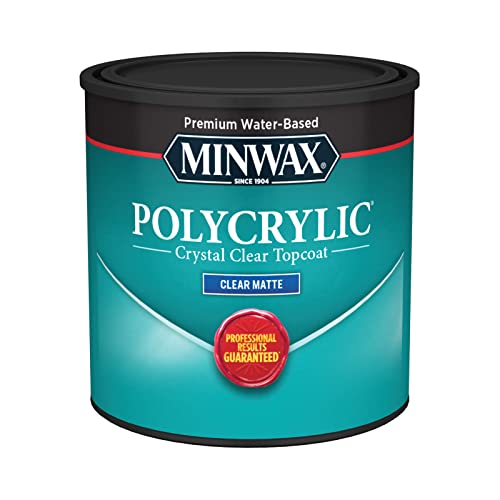
The Minwax Matte version delivers a soft, non-gloss finish that protects wood surfaces while offering a cozy, modern look. It remains crystal clear and non-yellowing, with the matte sheen softening the surface for a more natural appearance. Best for: end tables, shelves, and decorative pieces where a muted, contemporary finish is preferred.
Limitations: Matte finishes can emphasize surface imperfections more than glossier options.
Buying Guide: Key Considerations For Water-Based Wood Finishes
- Finish Type and Sheen: Choose satin for a subtle glow, gloss for a bright, reflective surface, or matte for a muted texture. Consider how the sheen complements the wood type and room style.
- Drying Time and Recoat Windows: Water-based finishes typically dry quickly, enabling multiple coats in a day. Plan coats based on your project size and working time.
- Color Preservation: Look for non-yellowing formulas to maintain the natural color of light woods. Crystal-clear finishes help preserve grain without ambering over time.
- Cleanup and Odor: Water-based finishes clean up with soap and water and emit less odor than oil-based options, making them suitable for indoor use and smaller spaces.
- Durability and Scratch Resistance: Some finishes offer stronger surface protection against scratches, spills, and dirt—particularly important for tables, desks, and high-traffic wood surfaces.
- Application and Coat Schedules: Consider recoat times and whether the finish allows quick intervals between coats to meet your deadline. Some products enable faster multi-coat applications.
- Wood Type and Color: Light woods benefit from non-yellowing, crystal-clear formulas. Dark woods can often tolerate gloss finishes for richer contrast, while softer woods may require more coats for even protection.
Quick Comparison Table
| Product | Best For | Sheen | Fast Recoat | Notes |
|---|---|---|---|---|
| Varathane Satin Crystal-Clear | Furniture, trim | Satin | Yes | Eases cleanup; good for interior wood |
| Varathane Gloss Crystal-Clear | Cabinets, accent pieces | Gloss | Yes | Enhances grain; brighter finish |
| SENVEN Water Based | Light woods and quick projects | Clear | Yes | Very fast dry and recoat |
| Minwax Satin Polycrylic | General interior wood | Satin | Yes | Low odor; versatile over stains |
| Minwax Matte Polycrylic | Cozy, modern look | Matte | Yes | Soft, non-gloss finish |
FAQ
- What is the main advantage of water-based wood finishes? They dry quickly, clean up with soap and water, and resist yellowing, preserving wood’s natural color.
- Do water-based finishes affect indoor air quality? They generally have lower odor and emissions than oil-based finishes, making them suitable for indoor use with proper ventilation.
- Can I apply multiple coats in one day? Yes, many water-based finishes allow recoat in as little as 1–2 hours, depending on the product and conditions.
- Will these finishes amber over time? High-quality water-based formulas are designed to stay crystal clear and non-yellowing on light woods.
- Which finish is best for high-traffic surfaces? Look for a water-based polyurethane with stronger scratch resistance; gloss variants can also offer more protective depth.
- How should I prep wood before applying? Light sanding to smooth the surface, remove dust, and ensure the wood is clean for optimal adhesion and finish.