The best well-draining potting mix depends on the plant: cactus and succulent owners need a fast-draining blend, while orchid growers benefit from chunky bark and airy ingredients. The five mixes below cover specialty and general indoor planting needs. Choose Miracle-Gro Cactus & Succulent Mix for desert plants, DUSPRO for orchids, or an all-purpose indoor mix for a broader range of houseplants.
| Potting mix | Best for | Drainage-related ingredients or feature |
|---|---|---|
| Miracle-Gro Cactus & Succulent | Cacti and succulents | Sand and perlite |
| DUSPRO Orchid Mix | Orchids | Pine bark, pumice, and chunky perlite |
| Miracle-Gro Indoor All Plants | Mixed indoor plants | Perlite; no compost or bark |
| Miracle-Gro Houseplant Mix | Indoor foliage plants | Perlite; no compost or bark |
| Miracle-Gro Organic Indoor Mix | Houseplants, herbs, and seed starting | Moisture-regulating mix with coir |
Miracle-Gro Cactus & Succulent Potting Mix

Best for: Indoor cacti, succulents, and other desert plants that need quick drainage. This two-pack contains 8-quart bags of a blend made with forest products, sphagnum peat moss, sand, and perlite.
Sand and perlite make this a more targeted choice for plants that are poorly suited to dense, moisture-retaining potting soil. The mix is also designed for indoor container plants such as citrus trees. It includes Miracle-Gro Plant Food, according to the product details.
Choose this if drainage is the priority for desert plants. Limitation: its specialized formulation is not the most direct choice for shoppers seeking one mix for a wide variety of tropical houseplants.
DUSPRO Ready-To-Use Orchid Potting Mix

Best for: Orchid owners who want a coarse, airy medium rather than a standard fine-textured potting mix. The ready-to-use blend combines forest moss, pine bark, pumice, and chunky perlite.
The product description highlights open spaces around roots, drainage, and airflow. Pine bark pieces range from 1 to 4 centimeters, and the mix is described as suitable for clear, slotted, or ventilated orchid pots. Because it arrives premixed, it also suits growers who do not want to buy and measure separate ingredients.
Choose this if you need a dedicated orchid medium with chunky components. Limitation: the pot is not included, and the orchid-specific texture may not suit plants that need a finer general-purpose mix.
Miracle-Gro Indoor Potting Mix For All Plants

Best for: Indoor gardeners with a variety of container plants, including herbs, climbing plants, foliage plants, and flowering plants. This two-pack contains 6-quart bags and includes sphagnum peat moss, coconut coir, and perlite.
Perlite helps make this a better general indoor option than a mix without a named aerating ingredient. The listed formulation is intended to help manage water retention and release. It does not contain compost or bark, which the product description identifies as materials known to shelter fungus gnats. The mix feeds houseplants for up to six months, according to its listing.
Choose this if you want one indoor blend for several plant types. Limitation: it is not described as a cactus or orchid specialty mix, so those plants may call for a more tailored texture.
Miracle-Gro Houseplant Potting Mix
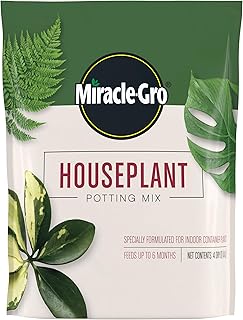
Best for: Indoor container plants when a smaller 4-quart bag is a practical fit. Its ingredients include perlite, sphagnum peat moss, coir, and fertilizer. The product details say the fertilizer feeds houseplants for up to six months.
This mix is described as less prone to fungus gnats because it excludes compost and bark. Perlite is a useful point of comparison for shoppers looking for an ingredient that supports an airier mix. It is intended for indoor growing and is a straightforward alternative to a specialty cactus or orchid formula.
Choose this if you want a houseplant-focused mix in a compact bag. Limitation: the listed size is smaller than the other multi-quart options, which may be less convenient for repotting many plants.
Miracle-Gro Organic Indoor Potting Mix

Best for: Indoor gardeners who want an organic mix for houseplants, herbs, or seed starting. This 16-quart blend contains sphagnum peat moss, coir, and quick-start natural fertilizer. Its product description says the peat is responsibly sourced from certified producers.
The mix is presented as helping regulate soil moisture and protecting plants against overwatering and underwatering. Coir and peat-based materials make it a different choice from the chunky orchid blend or the sand-and-perlite cactus formula. It is suitable for a broad range of indoor container plants, according to the listing.
Choose this if moisture regulation and organic ingredients are priorities. Limitation: the listed features do not emphasize fast drainage for cacti or the coarse structure needed for orchid roots.
Buying Guide: How To Choose A Well-Draining Potting Mix
Which ingredients help a potting mix drain?
Perlite, pumice, sand, and coarse bark can create a less compact structure or open spaces that support drainage and airflow. The right ingredient depends on the plant. The cactus mix includes sand and perlite; the orchid blend uses pine bark, pumice, and chunky perlite. A general indoor blend with perlite may better suit mixed houseplant collections.
Should you use the same mix for every plant?
Not necessarily. Cacti and succulents are better matched with a fast-draining specialty blend. Orchids often need a coarse medium with space around their roots. Many foliage plants can use a general indoor mix. If your collection includes plants with different watering and root needs, separate mixes may be more practical than one all-purpose bag.
How do bag size and intended use affect the choice?
Compare the amount you need with the listed package size: these options range from a 4-quart bag to a 16-quart bag or multipacks. Consider whether you are repotting one plant, several containers, or starting seeds. Also check whether the mix is ready to use and whether it is designed for a specific plant group.
Does a well-draining mix prevent overwatering?
No potting mix can replace appropriate watering and a container that allows excess water to escape. A well-draining blend can support better water movement, but plant needs and growing conditions still matter. Avoid choosing a mix based only on the word “draining”; check its ingredients and intended plants.
Frequently Asked Questions
What is the best potting mix for succulents?
A mix formulated for cacti and succulents is a targeted option. The Miracle-Gro blend listed here contains sand and perlite to promote fast drainage.
What potting mix is best for orchids?
Choose a coarse orchid medium rather than assuming a standard potting soil is suitable. DUSPRO’s blend includes pine bark, pumice, forest moss, and chunky perlite.
Can I use indoor potting mix for herbs?
The Miracle-Gro Indoor Potting Mix for All Plants is listed for indoor container plants including herbs. Check the label for the plants you intend to grow.
What does perlite do in potting mix?
Perlite is a lightweight ingredient used in several listed blends to support aeration and drainage. It appears in the cactus, general indoor, and houseplant mixes.
Is a larger bag always the better choice?
No. Match package size to the number of plants you plan to repot and the storage space available. A smaller bag can be more practical for a single plant or occasional use.