White striped sunflower seeds are a favorite for attracting larger songbirds and improving backyard bird diversity. This article highlights five highly regarded options, focusing on non-GMO, high-oil content varieties that attract cardinals, blue jays, grosbeaks, jays, and more. Each pick is evaluated for seed quality, mess factor, and suitability for common feeder styles.
Summary of Selected Products
| Product | Brand | Key Benefit | Best For |
|---|---|---|---|
| Kaytee Striped Sunflower Seeds | Kaytee | High-oil content for energy and larger birds | Blue Jays, Woodpeckers, Cardinals |
| Desert Valley Striped Sunflower Seed (3 lb) | Desert Valley Supply | Non-GMO, resealable bag, versatile sizes | Cardinals, Jays, Grosbeaks |
| Armstrong Wild Bird Premium Blend | Armstrong Bird Food | Includes striped sunflower among other high-energy ingredients | Wide variety of backyard birds |
| Old Potters Wildlife Striped Sunflower Seed | Old Potters | Non-GMO, chemical-free, authentic seed | Diverse bird species |
| Schoen Farms Striped Sunflower Seeds – Hulled (6 lb) | Schoen Farms | No shells, clean feeding, attracts multiple species | Cardinals, Jays, Finches |
Kaytee Striped Sunflower Seeds For Backyard Birds
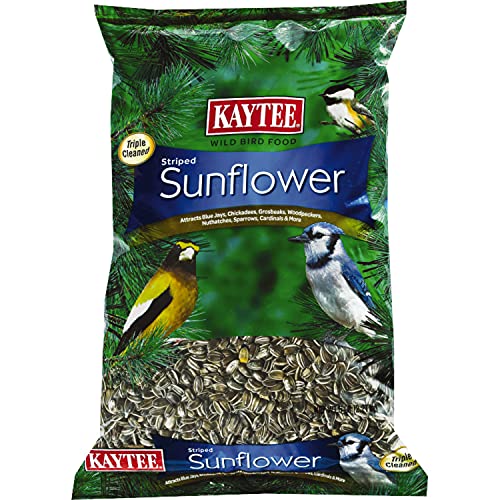
The Kaytee striped seeds are known for their rich oil content, delivering a high-energy food source that many backyard birds favor. They are cleaned to minimize debris from harvest, reducing waste and mess. This product specifically appeals to larger birds such as blue jays, woodpeckers, grosbeaks, and cardinals, making it suitable for feeders in areas with these visitors. The seed quality aims to balance nutrition with easy, clean feeding, supporting frequent bird visits without heavy cleanup.
Desert Valley Striped Sunflower Seed, 3 Pound

Desert Valley’s striped sunflower seeds come in a non-GMO formulation with high oil content, designed to feed larger, more colorful songbirds. Available in multiple bag sizes, these seeds are resealable for freshness and long-term storage. This option is well-suited to households seeking dependable, high-energy seed sources that attract cardinals, jays, grosbeaks, and other sizeable backyard birds while offering flexible purchase quantities.
Armstrong Wild Bird Premium Blend, 30.8 Pounds

This premium blend by Armstrong includes white millet, black oil sunflower, wheat, peanuts, safflower, and notably striped sunflower. It’s packed with nutrients and high-energy ingredients, designed to nourish a wide variety of backyard birds year-round. It is versatile for use in large port tube feeders, hopper feeders, or platform feeders, making it a robust choice for bird watchers who manage multiple feeding stations.
Old Potters Wildlife Striped Sunflower Seed

Old Potters markets a non-GMO striped sunflower seed 25-pound bag. The seeds are grown on small U.S. farms and cultivated without chemicals, emphasizing safety and quality. Aimed at attracting a broad spectrum of birds — from songbirds to cardinals and finches — these seeds offer a dependable, authentic feed option for any backyard habitat seeking a more natural feeding experience.
Schoen Farms Striped Sunflower Seeds – Hulled (6 lb)
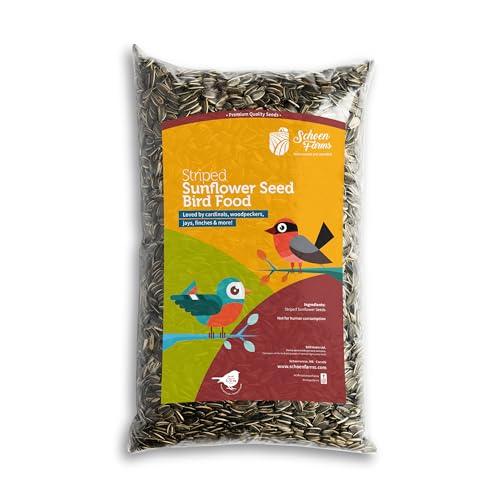
These hulled striped sunflower seeds from Schoen Farms are designed for clean, no-mess feeding. Being hulled means no shells, making them especially suitable for patios, decks, and small feeders where cleanup is a concern. They attract a variety of birds—cardinals, jays, and finches among them—while offering a convenient, low-muss feeding experience for homeowners with limited space.
Buying Guide: Key Purchase Considerations
- Seed form: Hulled versus in-shell seeds affect mess and cleanup. Hulled seeds produce less debris but may cost more per pound. In-shell seeds are often preferred for a traditional feeding experience but require more ground cleanup.
- Non-GMO and natural farming: Non-GMO options are popular for consumers seeking chemical-free, natural feeding products. They often pair with a broader range of birds and support sustainable farming practices.
- Oil content and energy: High oil content supports energy needs for large birds and during colder months. Look for the product’s nutritional notes to gauge energy density.
- Seed variety and blend: Some products include a mix of striped sunflower with other high-energy seeds like black oil sunflower. Blends can attract diverse species but may dilute the striped seed focus.
- Packaging and storage: Resealable bags help maintain freshness and reduce waste. Consider bag size in relation to your feeder frequency and family of birds visiting.
- Attractiveness to target birds: If you primarily see cardinals, jays, and grosbeaks, ensure the seed type and blend align with their preferences. Larger birds often favor striped sunflower due to seed size and oil content.
- Feeder compatibility: Some seeds work best with tray, hopper, or platform feeders. Hulled seeds are especially suitable for smaller or crowded feeder setups.
Across these options, consumers should balance price, seed quality, and feeding preferences. For households with frequent visitors and large bird species, high-oil striped sunflower or blends including striped sunflower can maximize bird response. For patios and small-space setups, hulled seeds offer a cleaner, easier feeding experience while still delivering the nutrition larger birds expect.
In all cases, store seeds in a cool, dry place to maintain freshness and prevent spoilage. Regularly clean feeders to curb mold and disease risks, and rotate seed types to reduce birds’ seed-fatigue and encourage continued interest in your feeder.
Note on Selection and Safety
When selecting bird seed, choose reputable brands with clear labeling about GMO status, seed ingredients, and storage guidelines. Avoid products containing added fillers or preservatives, and prefer seeds sourced from farms with transparent practices. Always ensure seed is appropriate for your local bird population and feeder setup.